
How Does Silicon Nitride Sleeve Compare with Alumina or Silicon Carbide Sleeves in Pump Applications
Selecting the optimal sleeve material is a critical engineering decision that directly impacts pump reliability, maintenance intervals, and operational costs. In demanding pump applications—ranging from chemical dosing and slurry handling to high-speed cooling systems—the sleeve must withstand wear, corrosion, thermal stress, and mechanical load while maintaining tight clearances over extended service life. Three advanced ceramics—silicon nitride (Si₃N₄), alumina (Al₂O₃), and silicon carbide (SiC)—have emerged as the primary candidates for replacing metallic sleeves in these environments. However, they are far from interchangeable. Each material offers a distinct property profile that makes it suitable for specific operating conditions, and selecting the wrong material can lead to premature failure, unplanned downtime, or increased maintenance costs. This guide provides a practical, engineering-driven comparison to help you make an informed material selection decision.

1. What Is a Ceramic Pump Sleeve and Why Use It?
A ceramic sleeve is a tubular component—typically a shaft sleeve, bushing, or wear liner—installed in a pump to protect the rotating shaft, maintain bearing clearances, and provide a wear-resistant surface at critical interfaces. Its primary functions include:
– Shaft protection: Preventing scoring, galling, or corrosion of the metal shaft.
– Clearance control: Maintaining tight running clearances between rotating and stationary components to minimize internal leakage and maintain pump efficiency.
– Seal support: Providing a stable, low-friction surface for mechanical seal faces.
Why ceramic? Compared to metals, advanced ceramics offer:
– Significantly higher hardness (wear resistance)
– Chemical inertness (corrosion resistance)
– Dimensional stability under thermal and mechanical load
– Self-lubricating properties in certain material systems (SiC)
– Lower density, reducing rotating inertia in high-speed applications
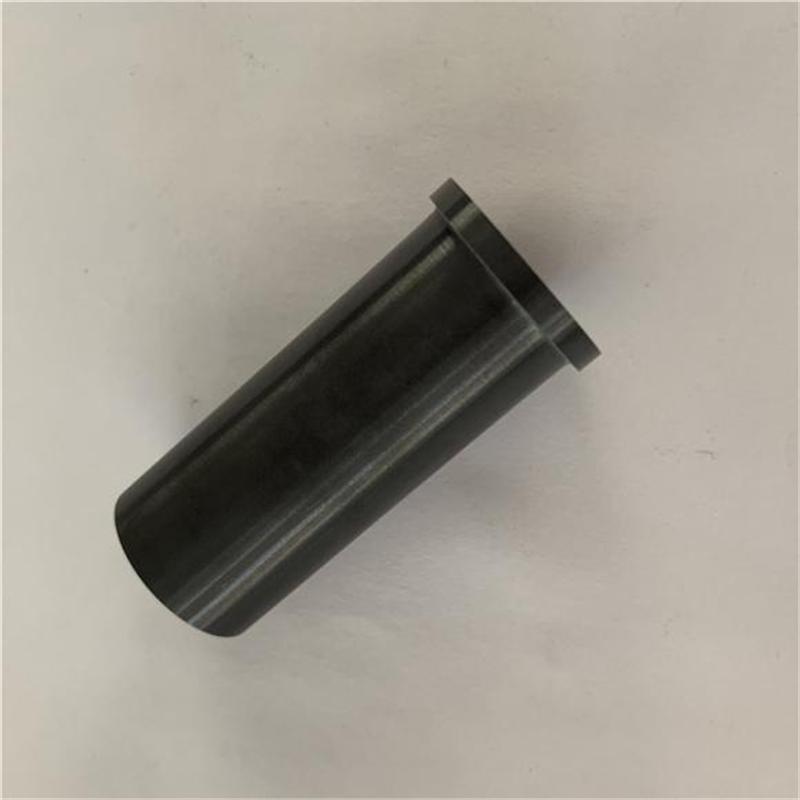
2. Silicon Nitride (Si₃N₄) Sleeves: The High-Toughness Performer
Silicon nitride (Si₃N₄) is a non-oxide ceramic distinguished by its exceptional combination of high strength, fracture toughness, and thermal shock resistance. It is often the material of choice for pumps operating under rapid thermal cycling, high speeds, or mechanical impact.
Key Properties for Pump Applications
Silicon Nitride (Si₃N₄) – Typical Property Range:
– Flexural Strength: 700–900 MPa
– Fracture Toughness: 6–8 MPa·m¹/²
– Hardness (Vickers): 1500–1600 HV
– Density: 3.2–3.3 g/cm³
– Thermal Expansion Coefficient: 2.8–3.2 × 10⁻⁶/K
– Thermal Shock Resistance (ΔT): 550–800 °C
– Thermal Conductivity: 20–40 W/m·K (standard); 80–100 W/m·K (high-thermal grades)
– Maximum Service Temperature: 1100–1300 °C
Advantages in Pump Service
– Highest fracture toughness among the three materials, providing resistance to chipping and cracking under mechanical shock or vibration.
– Excellent thermal shock resistance—can tolerate rapid temperature changes without fracture, critical for pumps experiencing process upsets or steam cleaning cycles.
– Low thermal expansion (CTE ≈ 3.0 × 10⁻⁶/K), closely matching that of silicon and many metals, reducing thermal mismatch stresses in assembled components.
– Low density (60% lighter than steel), reducing centrifugal forces and bearing loads in high-speed rotating applications (20,000+ RPM).
– Good corrosion resistance in acidic and alkaline environments.
Limitations
– Lower thermal conductivity than SiC (standard grades ~25 W/m·K), limiting heat dissipation in dry-running or high-friction conditions.
– More difficult to machine than alumina, resulting in higher component costs.
– Not recommended for sliding against itself—requires a counterface material (e.g., SiC or metal) in bearing applications.
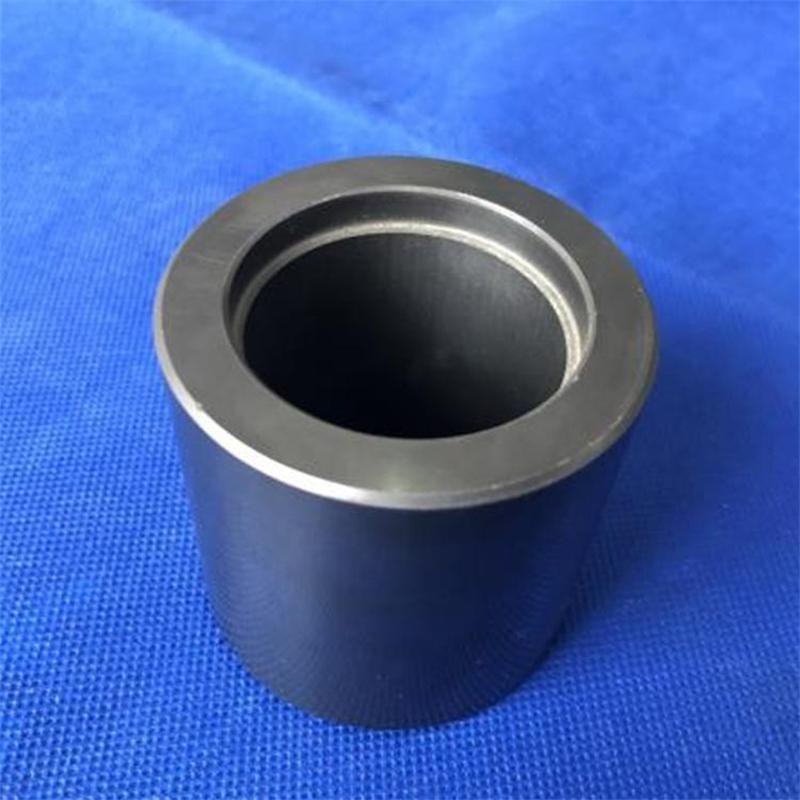
3. Silicon Carbide (SiC) Sleeves: The Extreme-Environment Champion
Silicon carbide (SiC), particularly pressureless sintered SSiC, is known for its extreme hardness, thermal conductivity, and outstanding chemical resistance. It is the material of choice for the most demanding pump environments, including abrasive slurries, corrosive chemicals, and high-temperature process streams.
Key Properties for Pump Applications
Silicon Carbide (SSiC) – Typical Property Range:
– Flexural Strength: 380–450 MPa
– Fracture Toughness: 3.5–4.5 MPa·m¹/²
– Hardness (Vickers): 2400–2800 HV
– Density: 3.10–3.15 g/cm³
– Thermal Expansion Coefficient: 4.0–4.5 × 10⁻⁶/K
– Thermal Shock Resistance (ΔT): ~400 °C
– Thermal Conductivity: 80–160 W/m·K
– Maximum Service Temperature: 1400–1600 °C
Advantages in Pump Service
– Highest hardness among the three ceramics (approaching diamond), providing exceptional resistance to abrasive wear in slurry, sand-laden, or particle-containing fluids.
– Superior thermal conductivity (3–5× higher than alumina or standard Si₃N₄), rapidly dissipating frictional heat from bearings and seal faces—critical for dry-run scenarios or high-load operation.
– Virtually immune to chemical attack in acids, alkalis, chlorides, and seawater—validated in chloride exposure exceeding 10 years of equivalent service life.
– Self-lubricating properties—SiC sliding against SiC or carbon offers low friction coefficients, making it suitable for mechanical seal faces and bearing applications.
– Near-zero open porosity in sintered grades, preventing fluid ingress and corrosion initiation.
Limitations
– Low fracture toughness (3–5 MPa·m¹/²)—more brittle than Si₃N₄, susceptible to cracking under impact or excessive thermal shock.
– Higher density than Si₃N₄—still lighter than steel but not as mass-efficient for high-speed rotors.
– Semiconducting electrical properties (volume resistivity 10²–10⁶ Ω·cm) limit use where electrical insulation is required.
– Higher cost and fabrication complexity compared to alumina.
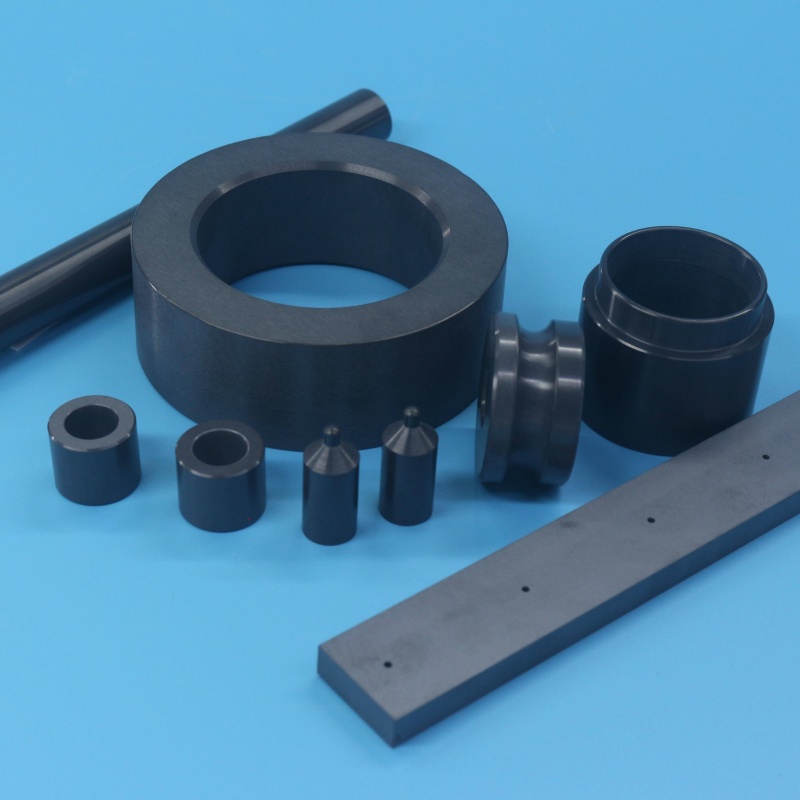
4. Alumina (Al₂O₃) Sleeves: The Versatile Workhorse
Alumina (Al₂O₃), typically 99.5%–99.9% purity, is the most mature and widely used advanced ceramic. Its combination of high hardness, excellent electrical insulation, chemical inertness, and relatively low cost makes it the default choice for general-purpose pump applications that do not require the extreme performance of SiC or Si₃N₄.
Key Properties for Pump Applications
Alumina (99.5%–99.9%) – Typical Property Range:
– Flexural Strength: 310–380 MPa
– Fracture Toughness: 3–4 MPa·m¹/²
– Hardness (Vickers): 1400–1650 HV
– Density: 3.88–3.94 g/cm³
– Thermal Expansion Coefficient: 7.2–8.4 × 10⁻⁶/K
– Thermal Shock Resistance (ΔT): ~200 °C
– Thermal Conductivity: 24–35 W/m·K
– Maximum Service Temperature: 1600–1750 °C
Advantages in Pump Service
– Cost-effective—significantly less expensive than Si₃N₄ or SiC.
– Excellent electrical insulator (volume resistivity >10¹⁴ Ω·cm)—ideal for pumps in which stray currents or electrical pitting are concerns.
– Good wear resistance for moderate abrasive conditions.
– Chemically inert in most process fluids.
– Established supply chain and mature manufacturing processes ensure consistent quality and availability.
Limitations
– Lowest fracture toughness—most brittle of the three, susceptible to chipping, cracking, or fracture under impact, vibration, or thermal shock.
– Highest thermal expansion (CTE ≈ 7.2–8.4 × 10⁻⁶/K) —greater thermal mismatch with metal shafts, requiring more careful clearance design across temperature changes.
– Poor thermal shock resistance—rapid heating or cooling (ΔT ≈ 200 °C) can cause cracking.
– Moderate thermal conductivity, limiting heat dissipation in high-friction or dry-run conditions.
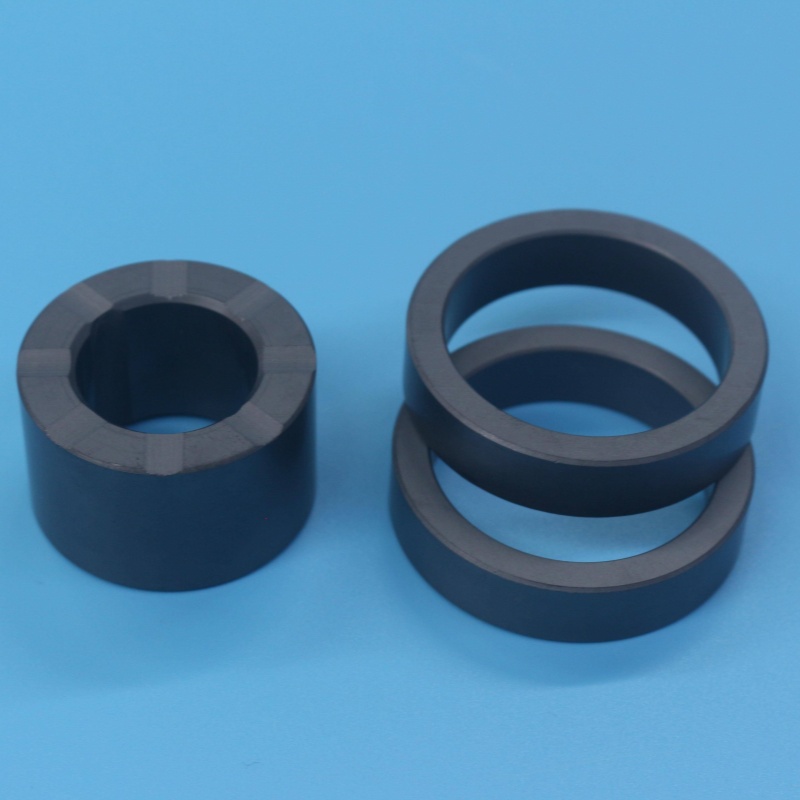
5. Direct Comparison: Si₃N₄ vs. Al₂O₃ vs. SiC
The following side-by-side comparison highlights key engineering parameters relevant to pump sleeve selection. Values represent industrial averages for standard grades.
Hardness (Vickers):
– Silicon Nitride (Si₃N₄): 1500–1800 HV
– Silicon Carbide (SiC): 2400–2800 HV
– Alumina (Al₂O₃): 1400–1650 HV
Fracture Toughness (MPa·m¹/²):
– Silicon Nitride (Si₃N₄): 6–8
– Silicon Carbide (SiC): 3.5–4.5
– Alumina (Al₂O₃): 3–4
Flexural Strength (MPa):
– Silicon Nitride (Si₃N₄): 700–900
– Silicon Carbide (SiC): 380–450
– Alumina (Al₂O₃): 310–380
Density (g/cm³):
– Silicon Nitride (Si₃N₄): 3.2–3.3
– Silicon Carbide (SiC): 3.10–3.15
– Alumina (Al₂O₃): 3.88–3.94
Thermal Expansion Coefficient (×10⁻⁶/K):
– Silicon Nitride (Si₃N₄): 2.8–3.2
– Silicon Carbide (SiC): 4.0–4.5
– Alumina (Al₂O₃): 7.2–8.4
Thermal Conductivity (W/m·K):
– Silicon Nitride (Si₃N₄): 20–40 (standard)
– Silicon Carbide (SiC): 80–160
– Alumina (Al₂O₃): 24–35
Thermal Shock Resistance (ΔT °C):
– Silicon Nitride (Si₃N₄): 550–800
– Silicon Carbide (SiC): 300–400
– Alumina (Al₂O₃): 150–200
Electrical Resistivity (Ω·cm):
– Silicon Nitride (Si₃N₄): >10¹⁴ (insulator)
– Silicon Carbide (SiC): 10²–10⁶ (semiconducting)
– Alumina (Al₂O₃): >10¹⁴ (insulator)
Sliding Friction (vs. itself):
– Silicon Nitride (Si₃N₄): High (requires counterface)
– Silicon Carbide (SiC): Low (self-lubricating)
– Alumina (Al₂O₃): High (requires counterface)
Relative Cost:
– Silicon Nitride (Si₃N₄): Moderate–High
– Silicon Carbide (SiC): High
– Alumina (Al₂O₃): Low
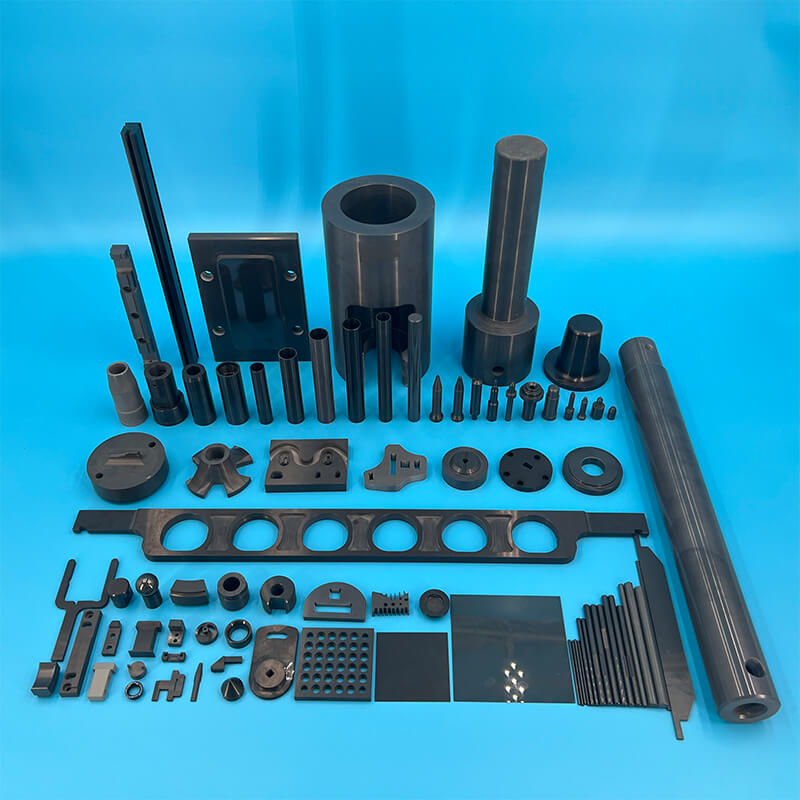
6. Engineering Applications: Which Sleeve for Which Pump?
Chemical Dosing and Metering Pumps
Preferred material: Silicon Nitride (Si₃N₄) or Silicon Carbide (SiC)
In metering pumps where dosing accuracy depends on maintaining tight plunger-to-sleeve clearance, the high strength and fracture toughness of Si₃N₄ ensure dimensional stability over long operating cycles. Its corrosion resistance in many acidic and alkaline solutions makes it suitable for aggressive chemical feeds. In chemical process pumps handling highly abrasive or corrosive slurries (e.g., chloride-rich media, acid mixes), SiC’s extreme hardness and chemical inertness provide the best service life. Thermal conductivity helps dissipate heat generated by seal friction.
Slurry Pumps and Mining Applications
Preferred material: Silicon Carbide (SiC)
Slurry pumps handling sand, mineral particles, or ore slurries demand maximum wear resistance. SiC’s hardness (HV 2400–2800) provides the best abrasion resistance, significantly extending maintenance intervals in abrasive process lines.
High-Speed Pumps (EV Cooling, Aerospace Fuel Pumps)
Preferred material: Silicon Nitride (Si₃N₄)
High-speed pumps (20,000+ RPM) benefit from Si₃N₄’s low density (60% lighter than steel) and high strength, reducing centrifugal forces and bearing loads. Its high fracture toughness and thermal shock resistance provide reliability under rapid speed and temperature changes.
Seawater Intake and Desalination Pumps
Preferred material: Silicon Carbide (SiC)
Chloride-rich seawater and sand-laden intake flow require both corrosion resistance and abrasion tolerance. SiC resists pitting from chlorides and maintains surface integrity against sand-induced micro-grooving.
General Industrial Water Pumps and Cooling Loops
Preferred material: Alumina (Al₂O₃)
For standard water cooling, boiler feed, or moderate-service pumps where operating conditions are not extreme, alumina provides adequate wear resistance, excellent electrical insulation, and the lowest cost.
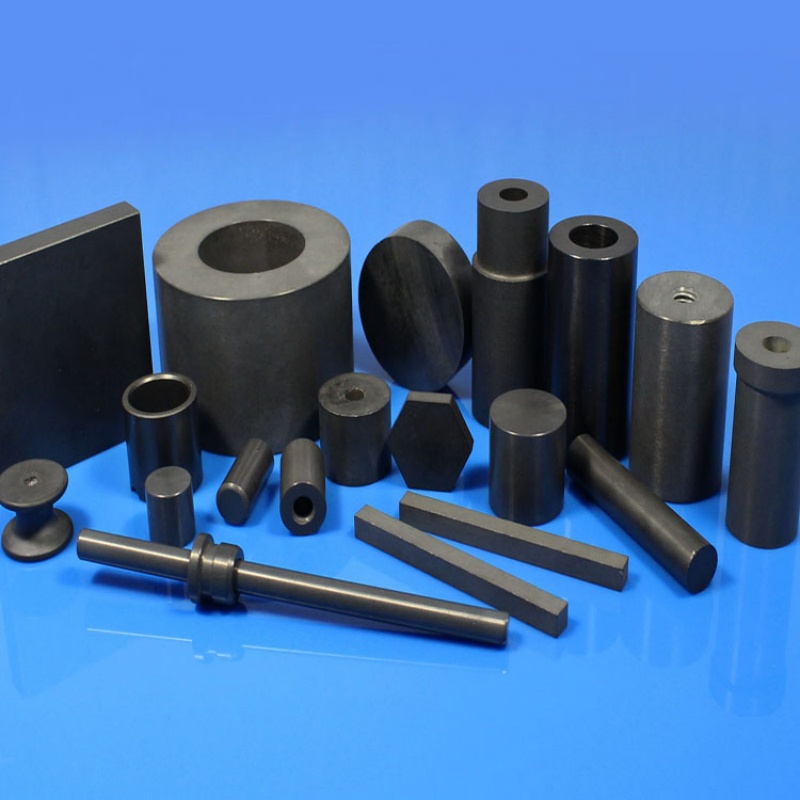
7. Design Considerations for Ceramic Pump Sleeves
Clearance Management
Thermal expansion mismatches between the ceramic sleeve and metal shaft must be accounted for in clearance design. Si₃N₄ (CTE ≈ 3.0 × 10⁻⁶/K) provides the best match to many metal shaft materials, reducing clearance changes across temperature.
Friction and Wear Pairs
SiC is the only material among the three that offers self-lubricating properties when sliding against SiC or carbon—making it the top choice for mechanical seal faces and bearing applications. Si₃N₄ and Al₂O₃ should not slide against the same material; a counterface of SiC, carbon, or a harder ceramic is recommended.
Dry-Run Risk
SiC has the highest dry-run tolerance due to its thermal conductivity, which dissipates friction heat. Si₃N₄ performs moderately well but can generate heat if lubrication is lost. Al₂O₃ has the lowest dry-run tolerance and is most susceptible to thermal cracking if operated dry.
Electrical Considerations
Al₂O₃ and Si₃N₄ are electrical insulators (>10¹⁴ Ω·cm), making them suitable for pumps where stray currents or electrical pitting are concerns. SiC is semiconducting (10²–10⁶ Ω·cm) and should not be used as an electrical insulator.
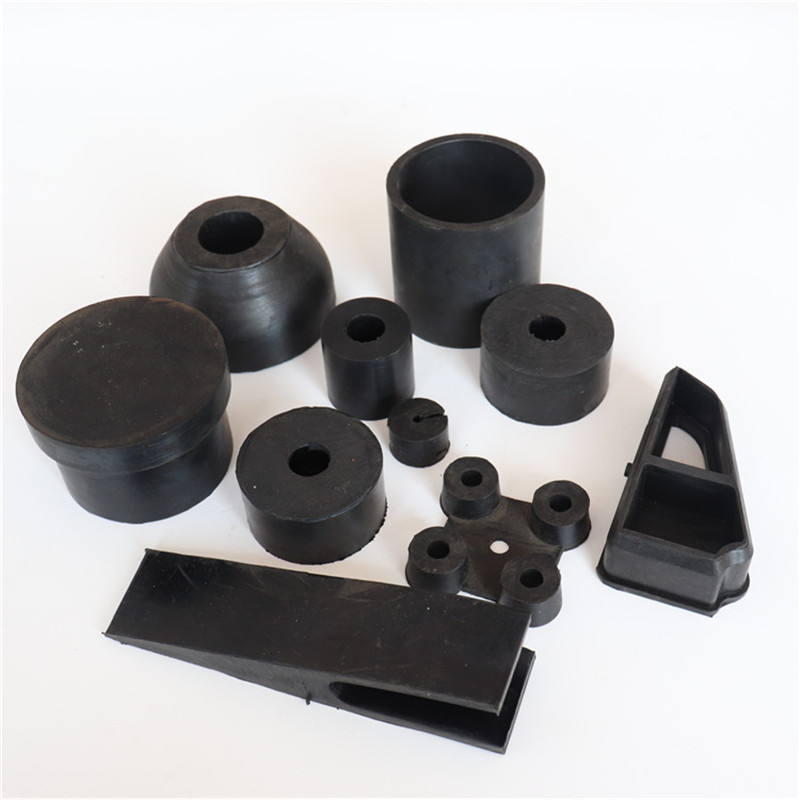
8. Manufacturing and Machining Implications
Alumina is the most established ceramic in terms of manufacturing, with a mature supply chain and well-documented machining processes—generally the most cost-effective option. Silicon carbide is extremely hard and difficult to machine, requiring diamond grinding and specialized equipment. Complex geometries significantly increase component cost. Silicon nitride is also challenging to machine but offers improved fracture toughness, reducing the risk of chipping during processing.
All three materials can be produced to tight tolerances with inner diameters from approximately 5 mm to 120 mm and lengths up to 300 mm, with fine grinding and polishing achieving surface finishes critical for seal and bearing applications.
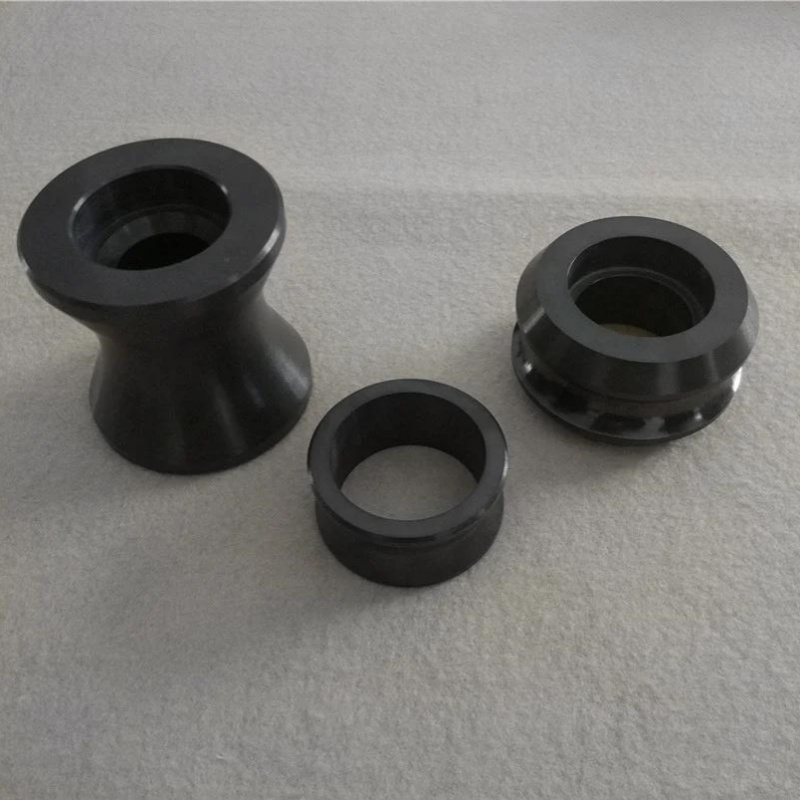
9. Typical Grades, Shapes, and Specifications
Typical Grades
– Silicon Nitride (Si₃N₄): Grades such as SN-220, SN-250, or ISO 26683 variants, differentiated by sintering aids and mechanical performance levels.
– Silicon Carbide (SiC): Pressureless sintered SSiC (e.g., EKasic® F, Hexoloy® SA) and reaction-bonded SiSiC grades; SSiC is preferred for pump sleeves.
– Alumina (Al₂O₃): 99.5% (e.g., Al-995), 99.7%, and 99.9% purity grades; higher purity improves wear and corrosion resistance.
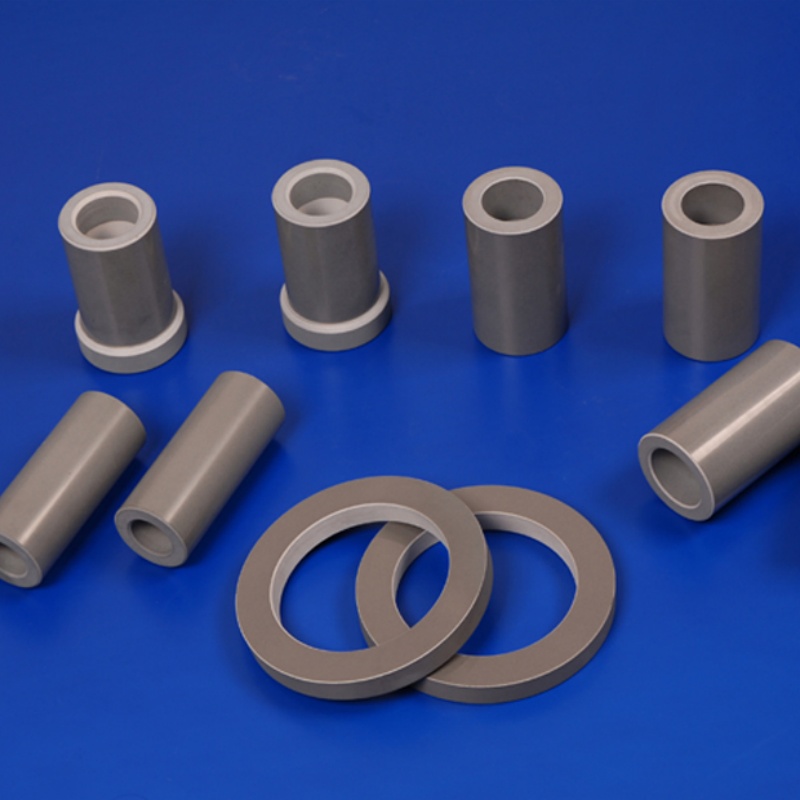
Common Shapes
– Cylindrical sleeves (plain bore)
– Flanged sleeves
– Stepped sleeves (multiple diameters)
– Custom profile sleeves for specific pump designs
Typical Dimensional Ranges
– Inner Diameter: 5 mm to 120 mm
– Outer Diameter: Up to 150 mm
– Length: Up to 300 mm (longer lengths available upon request)
– Wall Thickness: 2 mm to 15 mm (depending on diameter and application)
– Surface Finish: As-ground (Ra 0.2–0.6 µm) or lapped/polished (Ra 0.05–0.15 µm) for seal and bearing surfaces
Typical Industries
– Chemical and petrochemical processing
– Oil and gas (downhole and surface pumps)
– Mining and mineral processing
– Power generation (cooling water, boiler feed)
– Water and wastewater treatment
– Automotive and electric vehicle (thermal management pumps)
– Aerospace (fuel and hydraulic pumps)
10. Important Selection Factors
When selecting a sleeve material, consider the following factors in order of operational priority:
Operating Temperature and Thermal Cycling:
Si₃N₄ is best for high-temperature and thermal-shock-prone environments; SiC is excellent at steady high temperatures; Al₂O₃ is limited by thermal shock.
Abrasion and Particle Content:
SiC provides the best wear resistance; Al₂O₃ is adequate for clean fluids; Si₃N₄ balances wear resistance with toughness.
Chemical Compatibility:
SiC offers the broadest chemical resistance; Si₃N₄ is good for most acids and bases; Al₂O₃ is suitable for mild chemicals but may be attacked by strong acids.
Rotational Speed:
Si₃N₄ is preferred due to its low density and high strength; Al₂O₃ is denser, increasing centrifugal loads.
Electrical Environment:
Al₂O₃ or Si₃N₄ should be used where electrical insulation is required; SiC is not suitable.
Cost Constraints:
Al₂O₃ is the most economical; Si₃N₄ is a mid-range option; SiC is the highest cost but may offer the lowest total cost of ownership in severe conditions.
Frequently Asked Questions (FAQ)
1. Which ceramic sleeve material is best for abrasive slurry pumps?
Silicon Carbide (SiC) is the best choice for slurry pumps. Its hardness (HV 2400–2800) provides the highest resistance to abrasion from sand, mineral particles, or ore slurries, significantly extending maintenance intervals in mining and process applications.
2. When should I choose silicon nitride over silicon carbide?
Choose silicon nitride (Si₃N₄) when the application involves high-speed rotation (20,000+ RPM), rapid thermal cycling, or mechanical impact. Its low density, high fracture toughness (6–8 MPa·m¹/²), and excellent thermal shock resistance (ΔT 550–800°C) make it ideal for EV cooling pumps and aerospace fuel pumps.
3. Is alumina ceramic a good material for pump sleeves?
Yes, alumina (Al₂O₃) is an excellent, cost-effective choice for general-purpose pump applications such as water cooling, boiler feed, and moderate-service pumps. However, it is not recommended for high-speed, high-temperature, or severely abrasive environments due to its lower fracture toughness and thermal shock resistance.
4. Can these ceramic sleeves run dry?
Running dry is risky for any pump. Silicon Carbide has the best dry-run tolerance due to its high thermal conductivity, which dissipates friction heat. Silicon nitride and alumina are more susceptible to heat buildup and potential cracking. Zirconia (not the focus of this comparison) is particularly vulnerable due to its low thermal conductivity.
5. How does the cost compare between these three materials?
Alumina is the most affordable option. Silicon nitride is moderate to high cost, and silicon carbide is typically the most expensive, reflecting the higher fabrication difficulty and raw material costs. The selection should balance material cost against expected service life and maintenance savings.
6. Which material is better for chemical pump sleeves?
Both Silicon Carbide and Silicon Nitride offer excellent corrosion resistance. SiC is preferred for highly abrasive or high-temperature chemical streams due to its superior hardness and thermal conductivity. Si₃N₄ is preferred in applications requiring high fracture toughness or electrical insulation.
7. Does silicon nitride provide electrical insulation?
Yes, silicon nitride (Si₃N₄) is an excellent electrical insulator (volume resistivity >10¹⁴ Ω·cm), making it suitable for applications where stray currents or electrical pitting must be prevented. Silicon carbide is semiconducting and does not provide insulation.
8. Which material has the highest thermal shock resistance?
Silicon nitride (Si₃N₄) has the highest thermal shock resistance (ΔT 550–800°C) among the three. Its low thermal expansion coefficient (2.8–3.2 × 10⁻⁶/K) and high fracture toughness make it ideal for applications with rapid temperature fluctuations.
Selecting the right ceramic sleeve material for a pump application requires a clear understanding of the operating conditions—temperature, speed, pressure, chemical environment, and abrasion level.
Silicon Carbide (SiC) is the champion for extreme environments: abrasive slurries, corrosive chemicals, high temperatures, and dry-run risk. Its unparalleled hardness and thermal conductivity make it the top performer in the most demanding process applications, though at a higher cost.
Silicon Nitride (Si₃N₄) is the choice for high-speed, high-impact, or thermal-cycling applications. Its unique combination of low density, high fracture toughness, and exceptional thermal shock resistance makes it ideal for EV cooling, aerospace fuel pumps, and metering pumps where reliability under dynamic loads is critical.
Alumina (Al₂O₃) remains the workhorse for cost-sensitive, general-purpose applications—water pumps, cooling loops, and moderate-duty services where extreme conditions are not present. Its electrical insulation and low cost make it the default choice when performance requirements are modest.
Consider not only first-cost but also total cost of ownership, including maintenance intervals, downtime costs, and replacement frequency. In many cases, the higher initial cost of SiC or Si₃N₄ is quickly offset by extended service life and improved operational reliability.