
Silicon Nitride Ceramic Sleeve: Engineering Guide
What is a Silicon Nitride Ceramic Sleeve?
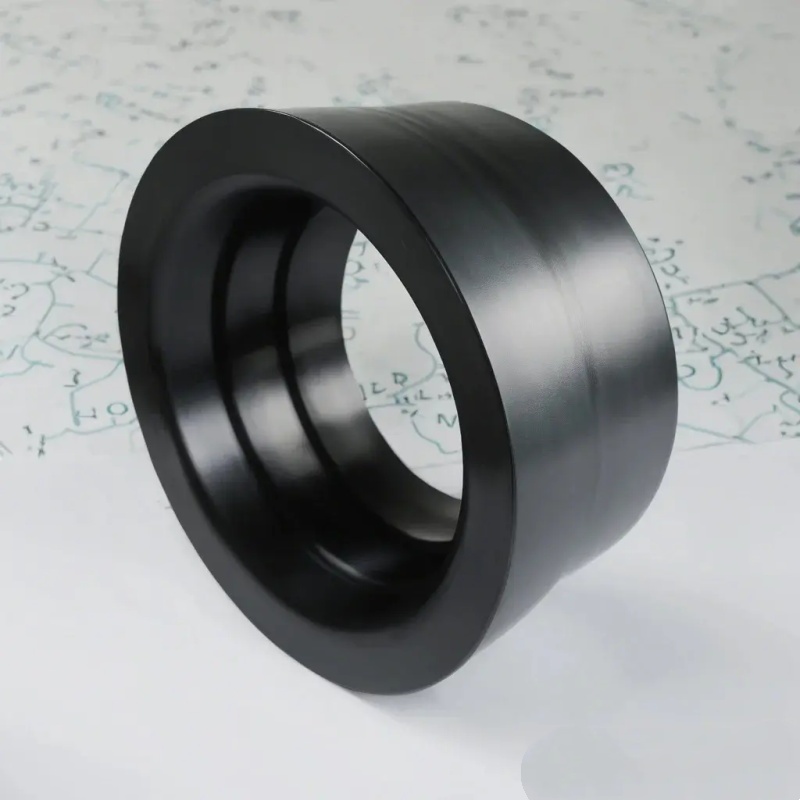
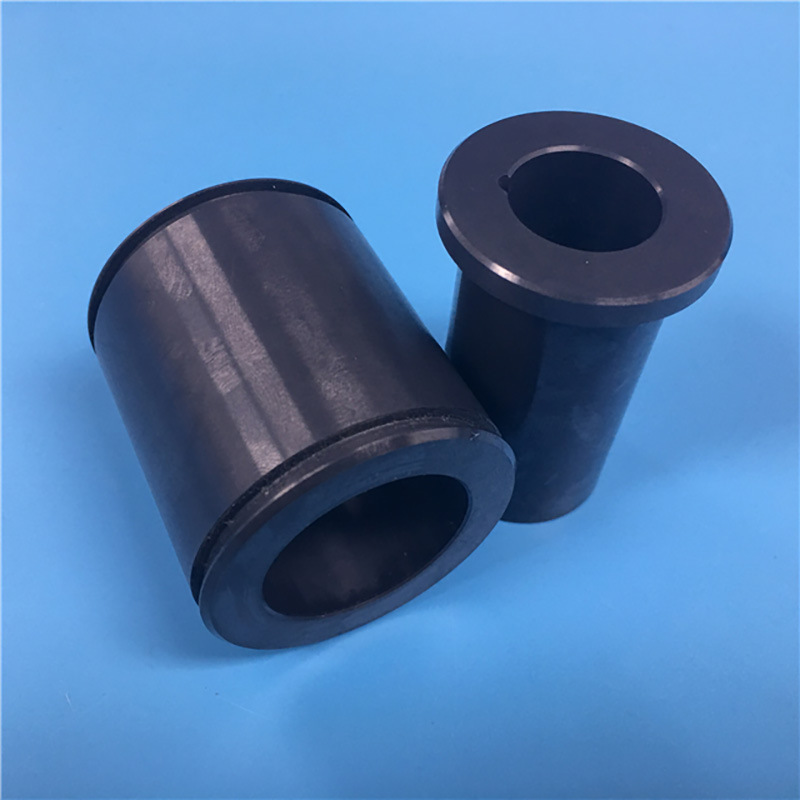
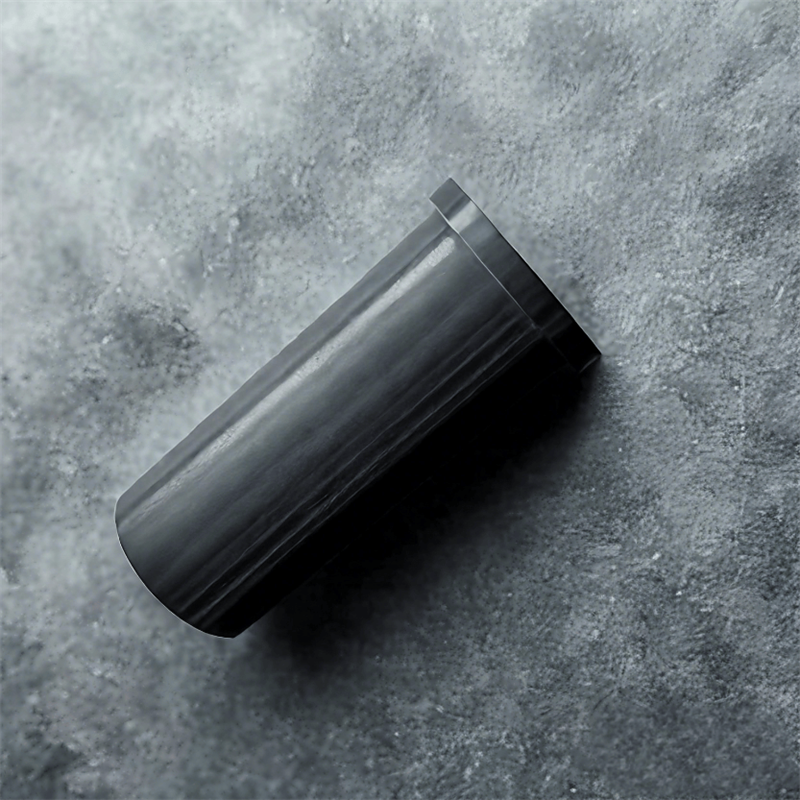
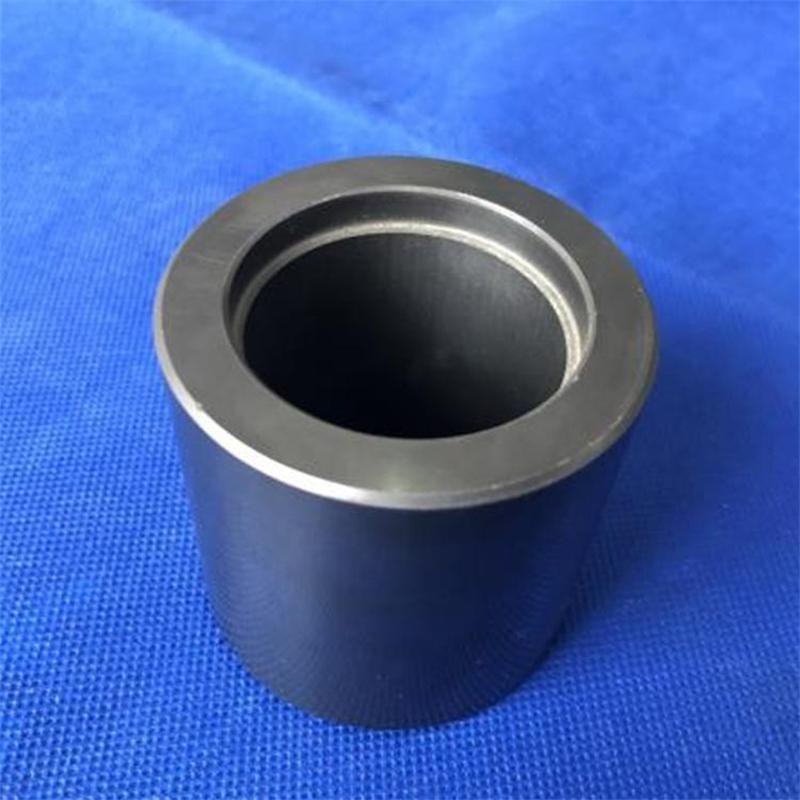
Silicon nitride ceramic sleeve (Si₃N₄ sleeve) is a precision-engineered tubular component manufactured from silicon nitride, a non-oxide ceramic material prized for its exceptional mechanical strength, fracture toughness, and thermal shock resistance. Unlike metallic sleeves that rely on surface treatments for protection, silicon nitride sleeves offer intrinsic resistance to wear, corrosion, and high temperatures, making them suitable for demanding rotating and reciprocating equipment applications.
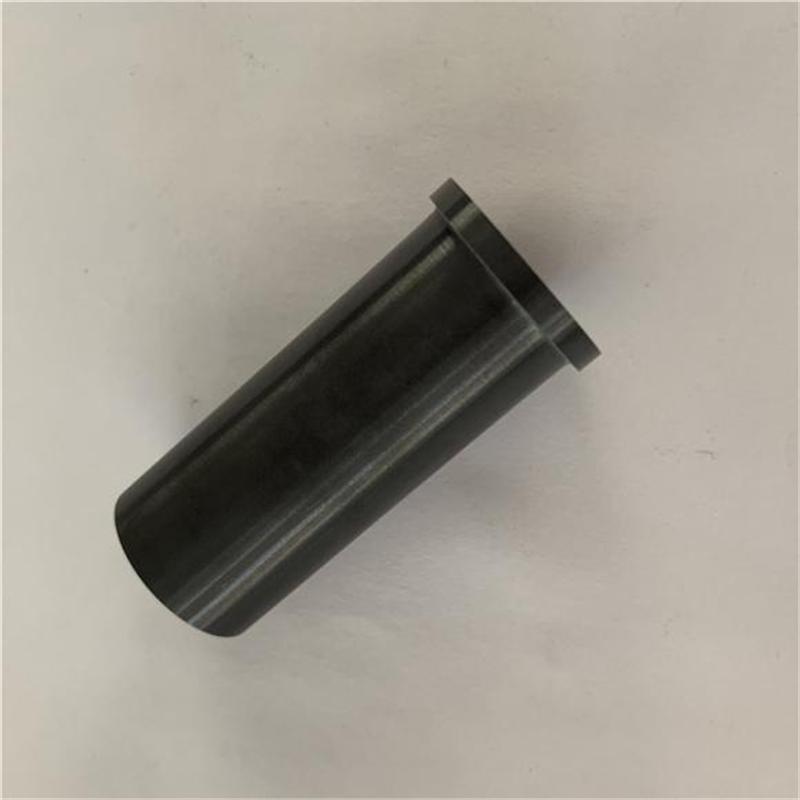
As a shaft sleeve, bushing, or wear sleeve, it functions as a protective lining for shafts, a support for seal faces, or a guide bushing in assemblies where clearances must be maintained under high loads and aggressive media. The material’s combination of relatively low density (approximately one-third that of steel) with high strength allows designers to reduce rotating inertia while maintaining structural integrity.

Key Material Properties
Silicon nitride is often the material of choice for engineers designing components for motion, thermal cycling, or corrosive service where other ceramics may be too brittle or lack sufficient mechanical confidence.
Physical and Mechanical Characteristics
The density of silicon nitride typically falls between 3.20 and 3.30 grams per cubic centimeter, roughly 40 percent that of steel. This low mass significantly reduces centrifugal stresses in high-speed rotating assemblies. The flexural strength, measured by four-point bending tests, ranges from 700 to 1000 megapascals depending on the sintering method and grade. Hot isostatically pressed grades consistently achieve values above 900 MPa, while standard gas-pressure-sintered materials typically deliver 700 to 800 MPa.
Fracture toughness, a critical parameter for components that may experience impact or edge loading, ranges from 5 to 8 MPa·m¹/². This places silicon nitride between alumina (approximately 3 to 4 MPa·m¹/²) and zirconia (up to 10 MPa·m¹/²), providing a balanced combination of damage tolerance and structural rigidity. The Vickers hardness of 1500 to 1600 HV ensures excellent resistance to abrasive wear, particularly in applications involving particulate-laden fluids or high sliding velocities.
Thermal Properties
The maximum continuous service temperature in air is approximately 1100°C, though for long-term reliability in oxidizing environments, many designers prefer to limit operation to 800 to 1000°C. The thermal conductivity varies significantly with grade, ranging from 15 to 100 W/m·K. High-conductivity grades are specifically formulated for bearing and seal applications where frictional heat must be efficiently dissipated to prevent thermal damage to adjacent components.
The coefficient of thermal expansion is approximately 3.0 × 10⁻⁶ per degree Celsius, which closely matches that of some cast irons and certain steel alloys. This compatibility simplifies the design of interference fits and reduces thermal stress at the ceramic-metal interface. Thermal shock resistance is exceptional, with the material typically surviving temperature differentials of 500 to 800°C without catastrophic failure.
Typical Grades and Material Options
Silicon nitride sleeves are available in several grades optimized for different service conditions. Gas-pressure-sintered grades represent the standard offering, providing an excellent balance of mechanical properties and manufacturing economy for most industrial applications. These grades typically achieve densities above 99 percent of theoretical and flexural strengths in the 700 to 800 MPa range.
Hot-isostatically-pressed grades undergo additional densification under high pressure and temperature, eliminating residual porosity and achieving strengths approaching 1000 MPa. These are specified for aerospace, high-performance automotive, and critical rotating equipment where the consequences of failure are severe.
High-thermal-conductivity grades incorporate specific sintering additives and microstructural modifications to enhance heat transfer. With conductivities of 80 to 100 W/m·K, these materials are preferred for high-speed bearing cages and mechanical seal sleeves where thermal management is the primary design constraint.
Manufacturing and Machining Considerations
Producing a silicon nitride sleeve differs fundamentally from machining a metal part. Understanding these manufacturing constraints is essential for design engineers and procurement specialists.
Near-Net Shaping
Silicon nitride sleeves are typically produced by near-net shape forming of ceramic powder, followed by high-temperature densification. Common forming methods include isostatic pressing for simple cylindrical geometries and injection molding for more complex shapes with internal features. Gas pressure sintering is the standard densification route, conducted at temperatures between 1700 and 1850°C under nitrogen overpressure. Hot isostatic pressing, applied as a post-sintering treatment, further enhances density and mechanical properties.
A critical design consideration is sintering shrinkage, which ranges from 16 to 26 percent depending on the forming method and green density. Tooling must account for this predictable dimensional change to achieve final dimensions with minimal grinding.
Diamond Grinding and Finishing
Silicon nitride’s exceptional hardness precludes conventional carbide tooling. All precision finishing operations require diamond grinding to achieve the tolerances required for proper fit and function. Surface finishes of Ra 0.2 to 0.4 micrometers are standard for bearing and seal applications, while polished surfaces below Ra 0.1 micrometer may be specified for critical seal faces.
The bore finish is particularly important, as it directly influences wear behavior and seal performance. For pump shaft sleeves, the internal diameter is typically ground to a smooth finish to minimize shaft wear and maintain consistent clearance over extended service intervals.
Specialized Machining Techniques
For complex features such as oil holes, cross-holes, or slots, ultrasonic vibration processing is often employed. This method uses high-frequency vibration combined with abrasive slurry to erode the ceramic without inducing surface damage. Laser machining may also be used for certain geometries, though careful parameter control is necessary to prevent surface melting and residual stress.
Typical Sleeve Dimensions
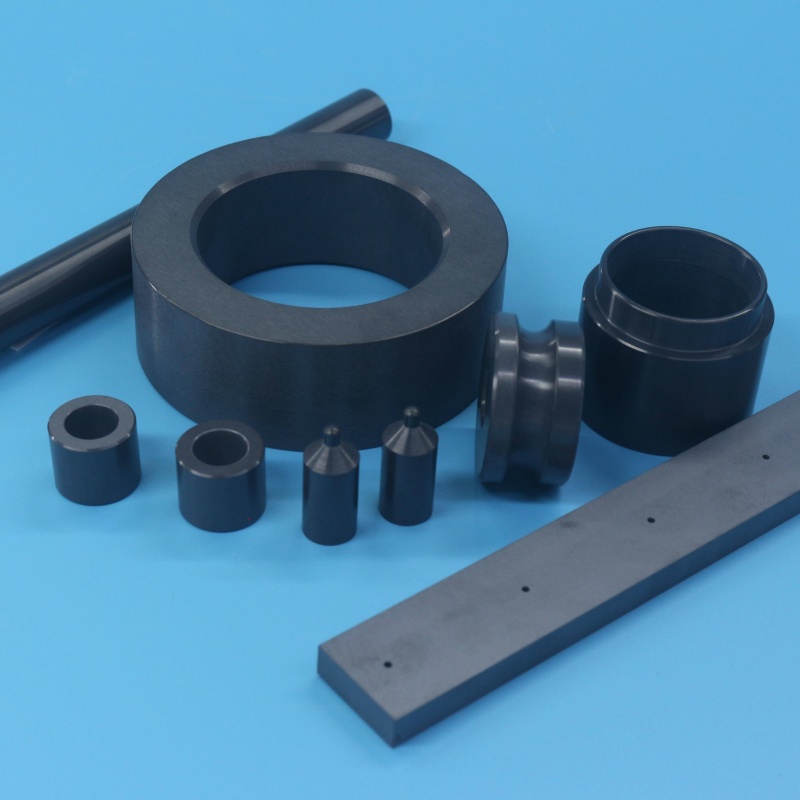
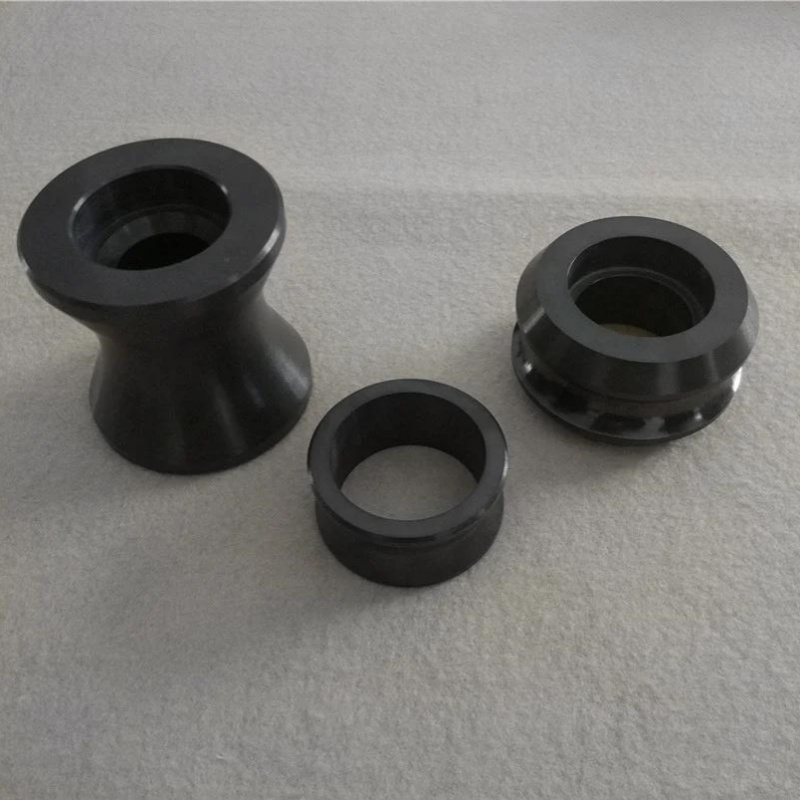
Silicon nitride sleeves are manufactured across a broad range of sizes to accommodate diverse equipment and applications. Common outside diameters range from 10 millimeters to 200 millimeters, with inside diameters typically spanning 6 millimeters to 150 millimeters. Wall thicknesses generally fall between 3 millimeters and 25 millimeters, depending on the required structural strength and clearance specifications.
Standard lengths vary from 15 millimeters for short guide bushings to 300 millimeters for pump shaft sleeves and cylinder liner applications. Tolerances are application-dependent, with typical values of ±0.02 millimeters for critical diameters in standard industrial components. High-precision applications may require tolerances as tight as ±0.005 millimeters, achievable through lapping after initial grinding.
Custom dimensions are readily accommodated through the near-net shaping process, though designers should be aware that non-standard sizes may require new tooling and extended lead times.
Advantages and Limitations
Key Advantages
Silicon nitride sleeves maintain dimensional stability in corrosive media where metallic sleeves would degrade. In chemical dosing pumps, for example, stainless steel sleeves often corrode in chloride-containing environments, increasing leakage and affecting dosing accuracy. The ceramic sleeve maintains a stable clearance over years of service, extending calibration intervals and preventing shaft scoring.
The electrical insulation properties of silicon nitride are particularly valuable in variable-speed drive systems. Stray electrical currents in motor shafts, induced by pulse-width-modulated drives, can cause pitting in bearings and mechanical seals. A silicon nitride sleeve physically interrupts the current path, preventing electrolytic damage to metallic components.
Thermal shock tolerance, withstanding temperature differentials of 500 to 800°C, is critical in processes involving steam cleaning, rapid startup sequences, or thermal cycling. Many metals experience thermal fatigue and cracking under such conditions, while the ceramic maintains structural integrity.
The reduced seizure risk is another significant advantage. The hard ceramic surface resists scoring during dry starts or momentary loss of lubrication, providing an additional layer of operational security.
Limitations to Consider
Brittleness remains the primary limitation of silicon nitride sleeves. The material does not exhibit plastic deformation; it fractures when localized stresses exceed the material’s strength. Careful attention to assembly procedures, alignment, and avoidance of point loading is essential. The design must ensure that the sleeve is loaded in compression rather than tension wherever possible.
Machining cost is substantially higher than for metallic components. The requirement for diamond grinding means that complex geometries with undercuts, sharp internal corners, or non-cylindrical features are expensive to produce. Design simplification, where possible, significantly reduces manufacturing costs.
Thermal expansion mismatch with certain housing materials requires careful engineering. When shrink-fitting a silicon nitride sleeve into a steel housing, the differential thermal expansion places the ceramic under compressive stress, which is desirable. However, the steel housing is placed in tension, requiring adequate wall thickness and material selection to prevent cracking. For aluminum housings, the expansion mismatch is greater, and designers often employ mechanical retention methods rather than interference fits.
Engineering Applications
Chemical Dosing and Process Pumps
In metering and dosing pumps handling aggressive chemicals or abrasive slurries, metallic shaft sleeves experience accelerated wear, leading to increased leakage and reduced dosing accuracy. A silicon nitride sleeve with a ground bore maintains a stable clearance over extended service intervals. Applications include water treatment plants, chemical processing facilities, and oilfield injection systems where reliability and precision are paramount.
Mechanical Seals
Mechanical seal assemblies experience temperature gradients that cause metallic sleeves to distort, leading to uneven seal face loading and premature failure. Silicon nitride’s low thermal expansion ensures stable geometry near the sealing zone, maintaining proper seal face contact. The electrical insulation properties prevent galvanic damage between the rotating and stationary components, particularly in pump applications with aggressive electrolytes.
Deep Hole Drilling
Tool steel guide bushings in deep hole drilling operations wear rapidly from contact with chips and coolant, causing run-out and inconsistent hole diameter in long production runs. A silicon nitride guide bushing resists abrasion effectively, holding tighter positional tolerances for extended periods. This reduces rework, improves production consistency, and extends tool life in automotive and aerospace manufacturing.
Internal Combustion Engines
In advanced diesel engine development, composite cylinder liners incorporating a silicon nitride inner running surface held under compressive hoop stress by a steel outer shell have demonstrated reduced friction and improved thermal efficiency. The ceramic’s low coefficient of friction and high thermal conductivity contribute to lower piston ring wear and better heat rejection to the cooling system.
High-Speed Spindles and Bearings
Silicon nitride sleeves serve as bearing cages and shaft sleeves in high-speed machine tool spindles. The low density reduces centrifugal loading at high rotational speeds, while the dimensional stability maintains consistent preload and clearance. The material’s high stiffness ensures accurate tool positioning and surface finish in precision machining operations.
Typical Industries
Silicon nitride sleeves find application across a wide spectrum of industries where reliability in demanding environments is essential. The chemical processing industry utilizes these components in pumps and valves handling corrosive media. The oil and gas sector employs them in downhole tools, subsea equipment, and refining processes. Semiconductor manufacturing uses silicon nitride sleeves in wafer handling equipment requiring high purity and wear resistance. The automotive industry applies them in high-performance engines, turbochargers, and emissions control systems. Medical device manufacturing leverages the material’s biocompatibility and wear resistance in precision instrumentation. Aerospace applications include hydraulic systems, actuators, and engine components.
Important Selection Factors
When specifying a silicon nitride sleeve, the following factors should be prioritized over simple material selection:
Surface Finish Requirements
The bore finish dictates wear behavior and seal performance. For pump shaft sleeves, a polished internal diameter reduces friction and extends the life of both the sleeve and the shaft. For guide bushings, a fine-ground surface provides the necessary smoothness for consistent motion.
Fit and Clearance Design
Due to thermal expansion differences, the design must ensure the sleeve remains in compression at operating temperatures. Typically, compressive hoop stresses enhance the structural reliability of the ceramic. The clearance between the sleeve and the shaft must account for thermal expansion of the shaft material, which is generally higher than that of the ceramic.
Grade Selection
Standard gas-pressure-sintered grades offer an excellent combination of strength and economy for most industrial applications. High-thermal-conductivity grades should be selected for high-speed bearings where heat dissipation is critical. HIP grades, with maximum strength and reliability, are appropriate for aerospace and critical rotating equipment.
Integration Method
Consider whether the sleeve needs to be bonded to a metal substrate using a compliant interlayer or metalizing process, or mechanically clamped using retention rings or threads. Mechanical clamping avoids the complexities and potential reliability issues of bonded interfaces.
Environmental Factors
Evaluate the operating environment for potential compatibility issues. While silicon nitride offers excellent corrosion resistance, certain aggressive media may attack the grain-boundary phases, particularly at elevated temperatures. Consultation with material suppliers regarding specific media compatibility is recommended.
Frequently Asked Questions
1. How does a silicon nitride sleeve differ from a zirconia sleeve?
Zirconia offers higher fracture toughness, up to 10 MPa·m¹/², making it excellent for high-impact components. However, silicon nitride provides superior thermal shock resistance and maintains strength at higher temperatures, making it better for pumps and engines. Zirconia also undergoes a phase transformation at elevated temperatures that can cause dimensional instability, while silicon nitride maintains stable dimensions.
2. Can silicon nitride sleeves be used in marine environments?
Yes. Silicon nitride exhibits excellent resistance to saltwater corrosion and cavitation damage, making it suitable for subsea pumps, propeller shaft bearings, and seawater handling equipment. The material’s non-magnetic properties are also beneficial in certain naval applications.
3. What tolerances can be achieved on a silicon nitride sleeve?
With diamond grinding, typical tolerances for the inner diameter and outer diameter can be held to ±0.02 millimeters. Ultra-precision applications requiring bearing-grade surfaces can achieve tolerances as tight as ±0.005 millimeters through lapping operations after initial grinding. Length tolerances are typically less critical and can be held to ±0.1 millimeters.
4. Is there a risk of galvanic corrosion between the silicon nitride sleeve and a metal shaft?
No. Silicon nitride is a non-conductive ceramic that acts as an electrical insulator, physically separating dissimilar metals and preventing galvanic corrosion. This property is particularly valuable in pumps handling conductive fluids such as seawater or chemical solutions.
5. What is the maximum operating temperature for a silicon nitride sleeve?
In an oxidizing atmosphere, continuous use is typically recommended up to 800 to 1000°C for long-term reliability. The absolute maximum is approximately 1200°C; at these extremes, the material begins to oxidize, forming a protective silica layer on the surface. In non-oxidizing environments, higher temperatures may be achievable.
6. Why is thermal shock resistance important for sleeves?
In processes involving steam cleaning, rapid startup sequences, or thermal cycling, the sleeve experiences sudden temperature changes. Silicon nitride’s high thermal shock resistance prevents cracking under these conditions. This property distinguishes it from many oxide ceramics and some metallic materials that fail catastrophically under similar thermal transients.
7. Can silicon nitride sleeves be repaired if damaged?
Generally, damaged silicon nitride sleeves are replaced rather than repaired. The material’s hardness and brittleness make field repair impractical. However, minor surface damage may be addressed through regrinding, provided the dimensional changes remain within acceptable limits.
8. How long does a silicon nitride sleeve typically last in service?
Service life depends heavily on the application and operating conditions. In pump applications with moderate wear, the sleeve may provide five to ten years of service. In high-stress applications such as deep hole drilling guide bushings, the sleeve may require replacement after months of continuous operation. The ceramic typically outlasts metallic alternatives by a factor of three to ten times in comparable wear environments.
The silicon nitride ceramic sleeve represents a mature but evolving technology in advanced engineering. For design and materials engineers, it offers a balanced combination of hardness, fracture toughness, and thermal resistance that addresses many common failure modes of metallic components. Its primary value lies in extending maintenance intervals, improving energy efficiency, and enabling reliable operation in harsh environments where metallic sleeves cannot survive.
When selecting a sleeve, the focus should be on the application-specific requirements: is the primary challenge corrosion, high-speed frictional heating, or abrasive wear? Matching the silicon nitride grade, surface finish, and integration method to the operating environment is the key to successful implementation. Consulting with materials specialists early in the design process can prevent costly downstream issues and ensure optimal component performance.