
Porous Silicon Nitride Ceramic Discs
Porous silicon nitride (Si₃N₄) ceramic discs represent a specialized class of advanced structural ceramics engineered to combine the mechanical strength and thermal resilience of dense silicon nitride with a controlled open- or closed-pore network. Unlike their fully dense counterparts, these components are designed for applications where gas permeability, thermal shock resistance, lightweight construction, or fluid filtration must coexist with the high-temperature stability that silicon nitride is known for.
In industrial practice, a porous silicon nitride disc is typically specified when a conventional dense ceramic disc would fail — not because of mechanical load, but because the application demands a permeable, insulating, or low-density structure operating in aggressive thermal or chemical environments. Understanding when and how to specify this material requires familiarity with both the base ceramic system and the pore architecture that distinguishes it.
What Is a Porous Silicon Nitride Ceramic Disc?
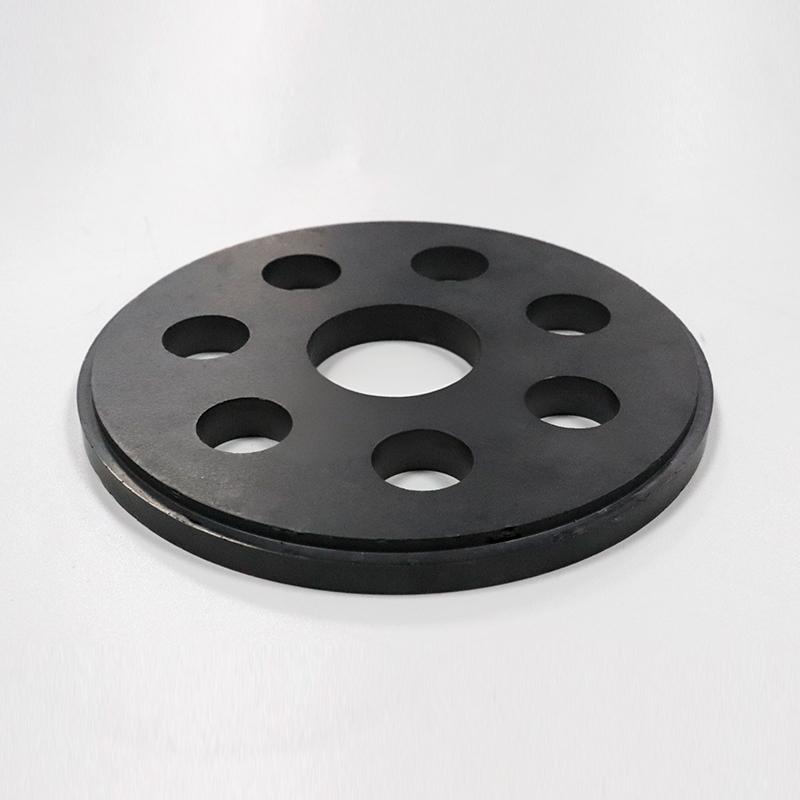
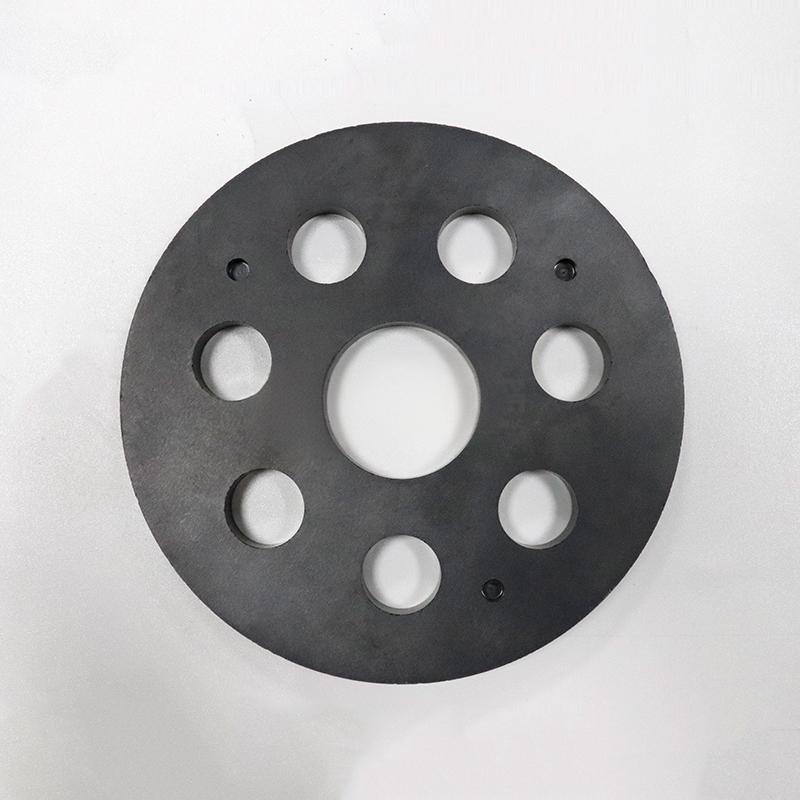
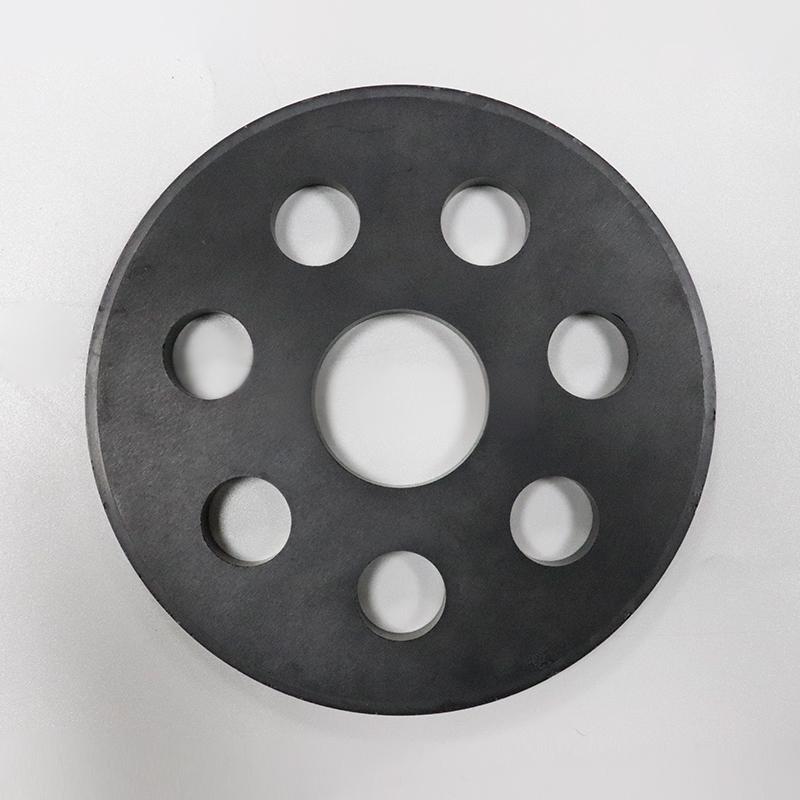
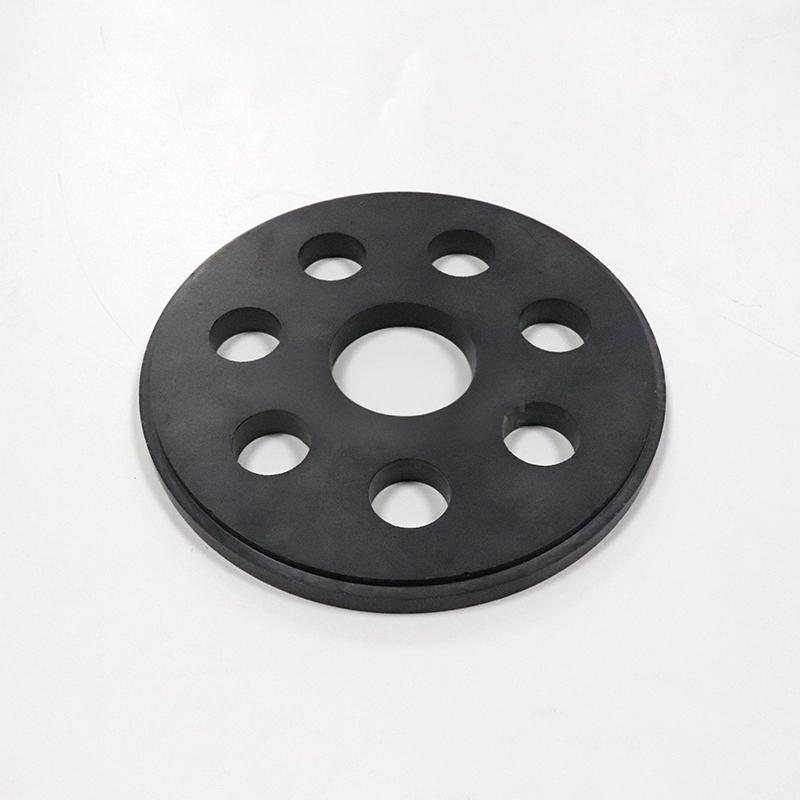
A porous silicon nitride ceramic disc is a flat, circular component fabricated from silicon nitride ceramic containing a deliberately introduced pore structure. The porosity may range from approximately 10% to over 50% by volume, depending on the fabrication route and intended function.
The disc geometry is one of the most common forms because it suits applications in filtration plates, gas distribution elements, sensor housings, thermal barriers, and sintering supports. The circular shape also minimizes stress concentration at edges when the disc is subjected to uniform pressure or thermal gradients.
Key definition: Porosity in this context refers to the volume fraction of void space within the ceramic body. Open porosity describes pores that are interconnected and accessible from the surface, while closed porosity refers to isolated internal voids.
Key Material Properties
Silicon nitride is valued in engineering ceramics for its high fracture toughness relative to other ceramics, excellent thermal shock resistance, and good strength retention at elevated temperatures. When porosity is introduced, several properties shift in predictable ways:
Thermal conductivity decreases significantly with increasing porosity, making porous Si₃N₄ useful as a thermal barrier or insulating substrate.
Mechanical strength (flexural and compressive) decreases as porosity increases, following well-established relationships such as the exponential porosity-strength model.
Permeability increases with open porosity, enabling gas or liquid flow through the disc body.
Density is reduced, which can be advantageous in rotating or weight-sensitive assemblies.
Dielectric properties are altered, which may be relevant in microwave or RF applications.
The exact balance of these properties depends on total porosity, pore size distribution, pore interconnectivity, and the sintering aids used during fabrication.
How Porous Si₃N₄ Discs Are Made
Several fabrication routes are used to produce porous silicon nitride ceramics, each influencing the final pore architecture and mechanical performance.
Reaction Bonding
In reaction-bonded silicon nitride (RBSN), a compacted silicon powder preform is nitrided at high temperature in a nitrogen atmosphere. The conversion from silicon to silicon nitride involves a volume expansion, which can leave a connected pore network. RBSN components typically exhibit moderate porosity and near-net-shape capability, making this route suitable for disc geometries.
Partial Sintering
Dense silicon nitride is normally produced by liquid-phase sintering with oxide additives (such as Y₂O₃ and Al₂O₃) at temperatures above 1700°C. By reducing the sintering temperature, shortening the hold time, or adjusting the additive chemistry, full densification can be prevented, leaving a controlled porous microstructure.
Pore-Forming Agents
Sacrificial pore formers — such as polymer beads, starch, or carbon particles — can be mixed into the ceramic green body and subsequently burned out during sintering. This method provides relatively good control over pore size and distribution.
Freeze Casting
In freeze casting, a ceramic slurry is directionally frozen, causing ice crystals to template a lamellar or channel-like pore structure. After sublimation and sintering, the resulting disc has aligned, anisotropic pores. This technique is more common in research settings but is gaining traction for specialized filtration applications.
Typical Grades and Material Options
While specific grade designations vary across the industry, porous silicon nitride discs are generally categorized by their fabrication method and porosity level rather than by a single standardized grade system.
Common material options include:
RBSN-grade porous Si₃N₄ — moderate porosity, good dimensional accuracy, suitable for structural and thermal applications.
Partially sintered Si₃N₄ with oxide sintering aids — higher strength at lower porosity levels, used where mechanical integrity is critical.
Pore-former-derived Si₃N₄ — tailored pore size, used in filtration and catalysis support.
Si₃N₄-bonded SiC composites — hybrid systems where silicon nitride acts as a bond phase in a silicon carbide matrix, sometimes formed into disc shapes for kiln furniture and filtration.
Available Shapes and Common Dimensions
Porous silicon nitride is most frequently supplied in disc form, but the material can also be formed into rings, plates, tubes, and custom geometries.
For disc configurations, typical industry dimensions include diameters ranging from approximately 10 mm to 200 mm, with thicknesses commonly between 1 mm and 20 mm. Smaller discs are often used in sensor and laboratory applications, while larger discs serve as filtration plates or gas distributors in furnace and reactor systems.
Tolerances on diameter and thickness depend on whether the disc is used in the as-sintered condition or post-sintered and ground. Ground porous ceramics can achieve tighter dimensional control, though grinding introduces additional cost and may partially close surface pores.
Advantages of Porous Si₃N₄ Discs
Porous silicon nitride discs offer a combination of characteristics that are difficult to replicate with metals, polymers, or other ceramic systems:
High-temperature capability — Si₃N₄ retains useful strength well above 1000°C in non-oxidizing atmospheres.
Thermal shock resistance — the combination of moderate thermal expansion and reasonable fracture toughness allows rapid temperature changes without catastrophic failure.
Corrosion resistance — silicon nitride is resistant to many molten metals, slags, and corrosive gases.
Tunable permeability — pore structure can be engineered for specific flow rates or filtration cutoffs.
Low thermal mass — reduced density means faster heating and cooling cycles, which is valuable in batch furnace operations.
Electrical insulation — unlike porous metals, Si₃N₄ remains electrically insulating.
Limitations and Design Constraints
Engineers should be aware of several practical limitations when specifying porous silicon nitride discs:
Reduced strength — porosity inherently weakens the ceramic. Design loads must account for the lower flexural and compressive strength compared to dense Si₃N₄.
Brittleness — despite its relatively high toughness among ceramics, Si₃N₄ is still a brittle material. Impact loading and sharp stress concentrations should be avoided.
Cost — porous silicon nitride components are significantly more expensive than porous alumina or porous stainless steel alternatives.
Machining difficulty — post-sintered machining of porous Si₃N₄ is possible but requires diamond tooling and careful process control to avoid pore collapse or edge chipping.
Moisture sensitivity of green bodies — unfired components must be handled carefully, as some pore-former systems are sensitive to humidity before sintering.
Real-World Applications
Molten Metal Filtration
In foundry and casting operations, porous Si₃N₄ discs are used as filter elements to remove inclusions from molten aluminum and other non-ferrous alloys. The ceramic’s resistance to wetting by molten metal and its thermal shock tolerance make it suitable for direct immersion in the melt stream.
Gas Distribution in High-Temperature Reactors
Porous discs serve as gas diffusers in laboratory and pilot-scale reactors operating at elevated temperatures. The controlled pore network provides uniform gas distribution while maintaining structural integrity under thermal cycling.
Sintering Supports and Setter Plates
In advanced ceramic sintering processes, porous Si₃N₄ discs are used as setter plates or spacers. Their low thermal mass reduces energy consumption, and their chemical inertness prevents contamination of the parts being sintered.
Thermal Barrier Substrates
The low thermal conductivity of porous Si₃N₄ makes it suitable as a substrate or interlayer in thermal management systems where electrical insulation and high-temperature stability are required simultaneously.
Sensor Protection
Porous silicon nitride discs can function as protective caps or membranes for high-temperature sensors, allowing gas diffusion to the sensing element while shielding it from particulate contamination.
Material Comparison: Porous Si₃N₄ vs. Alternatives
When selecting a porous ceramic disc, engineers often compare silicon nitride against other common porous ceramics:
Porous Alumina (Al₂O₃): Lower cost and widely available, but inferior thermal shock resistance and lower high-temperature strength. Alumina is suitable for applications below approximately 1400°C where thermal cycling is mild.
Porous Silicon Carbide (SiC): Excellent thermal conductivity and good thermal shock resistance, but higher thermal conductivity means poorer insulation performance. SiC is preferred when heat dissipation through the disc is desirable.
Porous Zirconia (ZrO₂): Very low thermal conductivity, making it an excellent insulator, but lower thermal shock resistance than Si₃N₄ and limited permeability control.
Porous Metals: Ductile and easy to machine, but limited to lower temperatures and susceptible to oxidation and corrosion in aggressive environments.
The choice ultimately depends on the dominant requirement: if high-temperature strength, thermal shock resistance, and moderate insulation are all needed, porous Si₃N₄ is often the preferred option.
Design Considerations for Engineers
When incorporating a porous silicon nitride disc into a design, several factors should be evaluated early in the development process:
Define the required porosity range — this drives both the fabrication route and the expected mechanical properties.
Specify open vs. closed porosity — applications requiring gas flow need open, interconnected pores; insulation applications may tolerate or prefer closed porosity.
Account for strength reduction — use design allowables based on the actual porosity level, not the properties of dense Si₃N₄.
Consider post-processing — grinding or lapping can improve dimensional accuracy but may seal surface pores.
Evaluate thermal cycling conditions — porous Si₃N₄ generally handles thermal shock well, but large discs with steep gradients should be analyzed for thermal stress.
Plan for joining and mounting — adhesives and mechanical clamping must accommodate the lower strength and potential permeability of the disc.
Key Takeaways
Porous silicon nitride ceramic discs combine the high-temperature performance of Si₃N₄ with a controlled pore structure for permeability, insulation, or weight reduction.
Fabrication methods — including reaction bonding, partial sintering, pore formers, and freeze casting — each produce distinct pore architectures and property profiles.
The material excels in molten metal filtration, high-temperature gas distribution, sintering supports, and thermal barrier applications.
Designers must account for reduced mechanical strength, brittleness, and higher cost compared to alternative porous materials.
Proper specification requires defining porosity level, open vs. closed pore structure, dimensional tolerances, and operating environment early in the design process.
Frequently Asked Questions
What is the typical porosity range for porous silicon nitride ceramics?
Porous silicon nitride ceramics generally exhibit total porosity ranging from approximately 10% to over 50% by volume. Lower porosity levels (10–25%) are common in structural applications where strength retention is important, while higher porosity levels (30–50%+) are used for filtration, insulation, and catalysis support. The exact range depends on the fabrication method and the specific application requirements.
Can porous silicon nitride discs be machined after sintering?
Yes, porous silicon nitride can be machined after sintering using diamond tooling, though the process requires careful parameter selection. The porous structure makes the material somewhat easier to machine than fully dense Si₃N₄, but there is a risk of pore collapse, edge chipping, or surface smearing if cutting forces are too high. Grinding and lapping are common post-sintering operations for achieving tight tolerances.
How does porosity affect the thermal conductivity of silicon nitride?
Porosity significantly reduces the thermal conductivity of silicon nitride. Dense Si₃N₄ typically has a thermal conductivity in the range of 20–80 W/m·K depending on the grade, but introducing 30–40% porosity can reduce this value substantially, sometimes to below 5 W/m·K. This makes porous Si₃N₄ an effective thermal insulator while retaining the chemical and thermal stability of the base ceramic.
Is porous silicon nitride suitable for molten metal filtration?
Porous silicon nitride is well suited for filtering molten non-ferrous metals such as aluminum. The material exhibits good resistance to wetting by molten aluminum, maintains structural integrity at casting temperatures, and provides thermal shock resistance during intermittent use. It is less commonly used for ferrous metal filtration, where refractory oxides or specialized composites may be preferred.
What is the difference between open porosity and closed porosity in Si₃N₄ discs?
Open porosity refers to pores that are interconnected and accessible from the external surface, allowing gas or liquid to flow through the material. Closed porosity refers to isolated internal voids that do not connect to the surface. Applications requiring permeability — such as filtration or gas distribution — need open porosity, while insulation or lightweight structural applications may use either type.
How does porous Si₃N₄ compare to porous alumina for high-temperature applications?
Porous silicon nitride generally outperforms porous alumina in thermal shock resistance and high-temperature strength retention. Alumina has a higher coefficient of thermal expansion and lower fracture toughness, making it more susceptible to cracking under rapid temperature changes. However, porous alumina is typically less expensive and easier to fabricate, making it a practical choice for less demanding applications below approximately 1400°C.
What are the main limitations of using porous silicon nitride discs?
The primary limitations are reduced mechanical strength compared to dense Si₃N₄, inherent brittleness, and relatively high cost. The porous structure means that load-bearing capacity is lower, and impact or point loading should be avoided. Additionally, the material is more expensive than porous alumina, porous metals, or polymer-based alternatives, so its use is typically justified only when high-temperature performance, corrosion resistance, or specific permeability characteristics are required.
Can the pore size of a porous Si₃N₄ disc be customized?
Yes, pore size can be tailored through the choice of fabrication method and processing parameters. Pore-forming agents of controlled particle size allow relatively precise pore size selection. Freeze casting can produce aligned channel-like pores. The achievable pore size range typically spans from sub-micrometer to several hundred micrometers, depending on the technique used and the specific processing conditions.
