
Why Use Silicon Nitride Sleeve Instead of Metallic Shaft Sleeve in Chemical Pumps
In the demanding environment of chemical processing, the reliability of centrifugal pumps is a cornerstone of operational safety and profitability. While often overlooked, the shaft sleeve is a critical component that determines the longevity and performance of the entire pumping system. When metal sleeves fail—due to corrosion, galling, or abrasive wear—the resulting downtime and maintenance costs can be substantial. This has driven a significant shift in material engineering toward advanced ceramics, particularly silicon nitride (Si₃N₄), as the superior alternative.
Silicon nitride sleeves are no longer a niche solution but a proven standard for extending pump life in corrosive and abrasive services. This article explores the engineering rationale behind replacing metallic sleeves with silicon nitride, examining the material science, application data, and practical design considerations that make this substitution not just viable, but often essential.
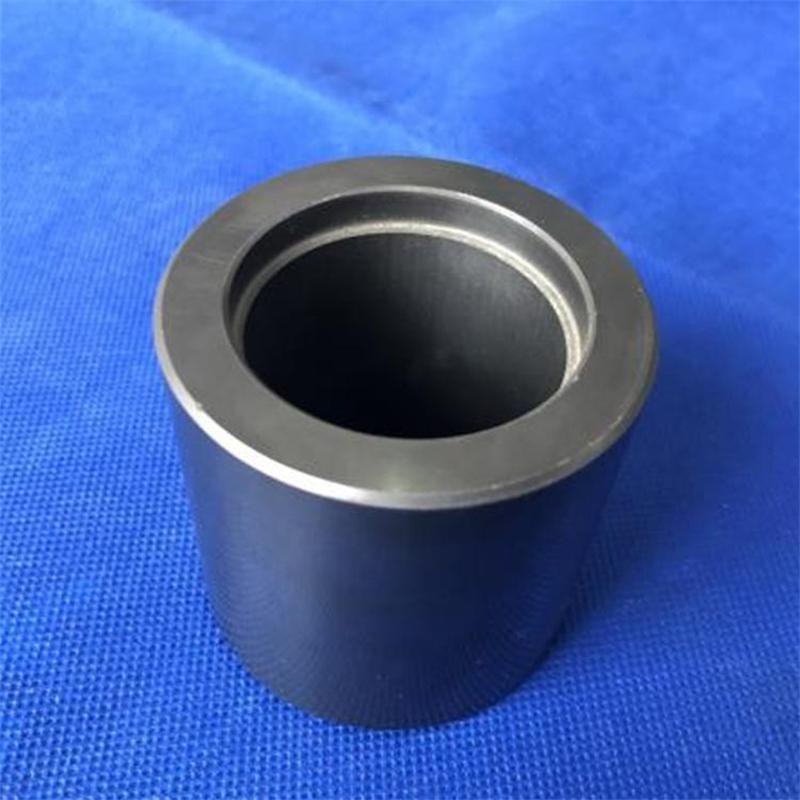
What Is a Silicon Nitride Shaft Sleeve?
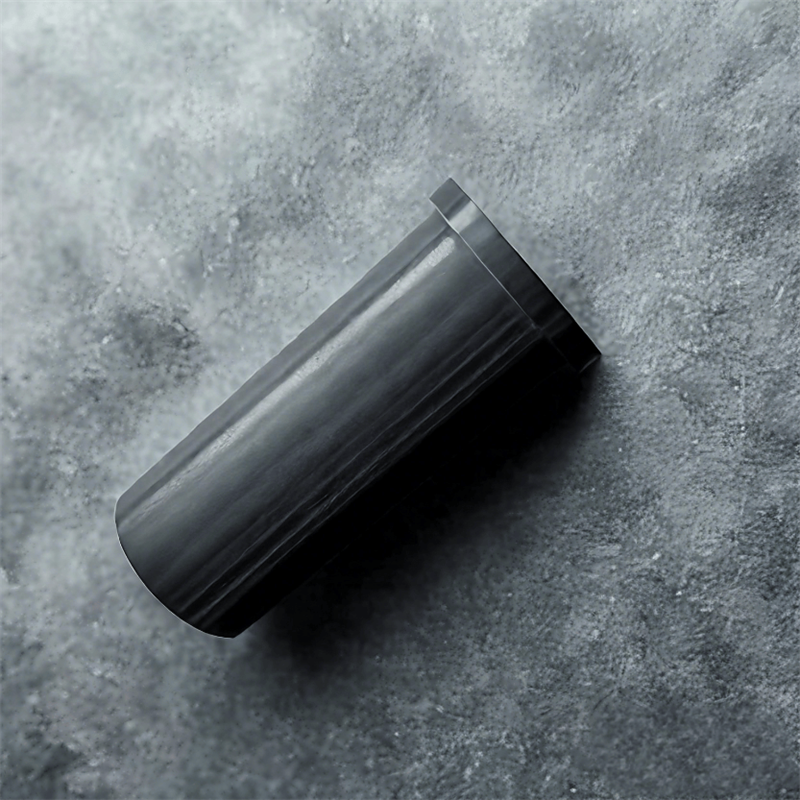
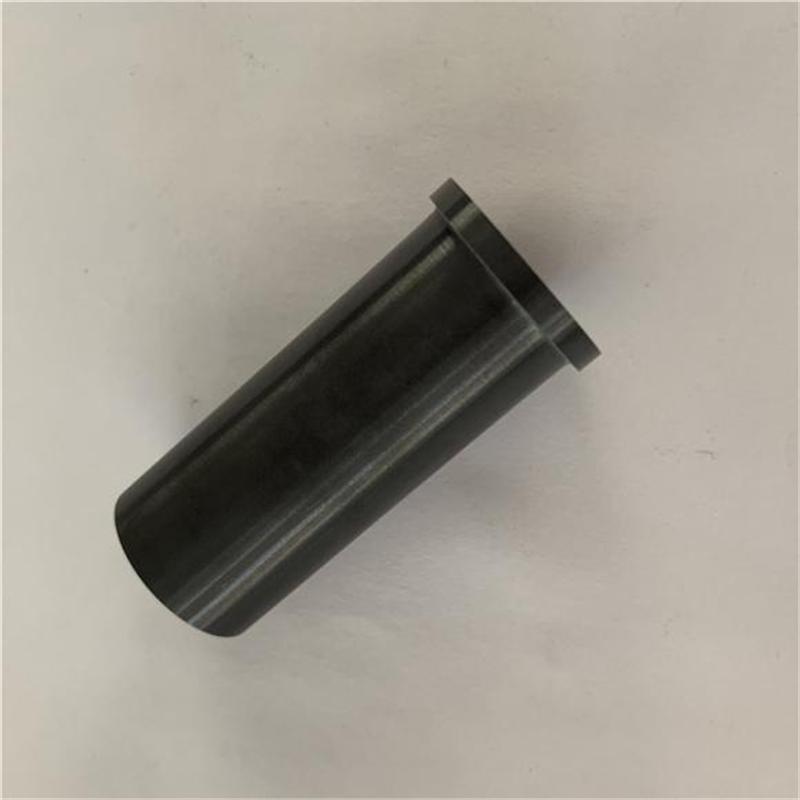
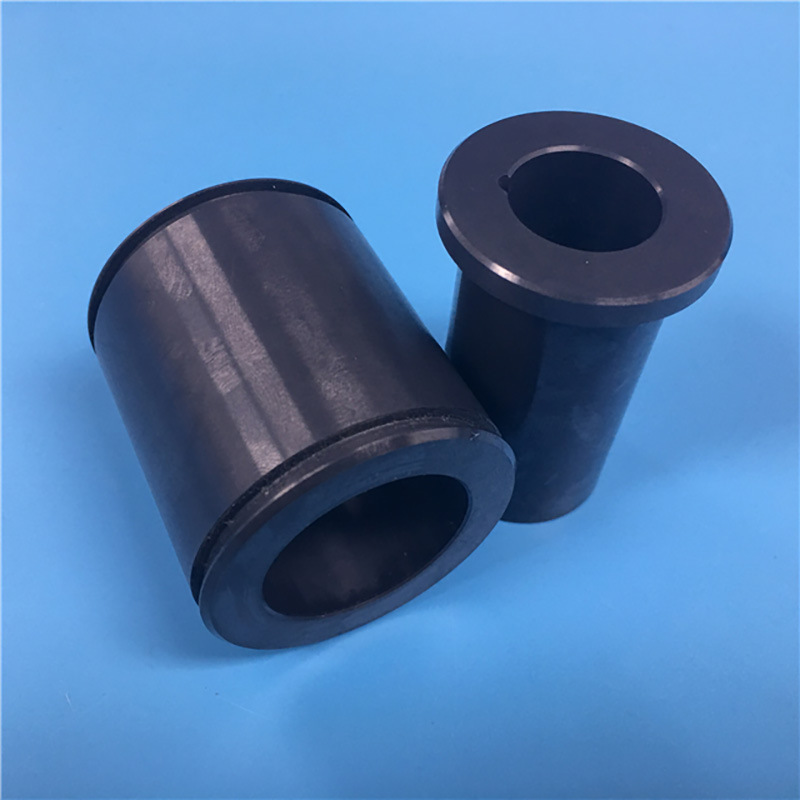
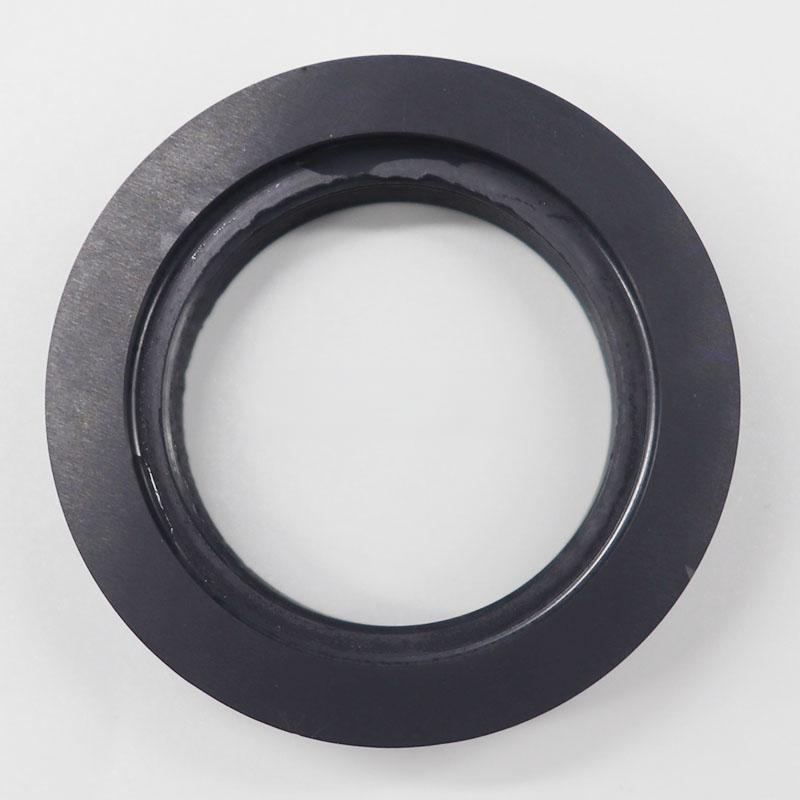
Silicon nitride shaft sleeve is a precision-engineered, cylindrical component that fits over a pump shaft. Its primary function is to act as a sacrificial barrier, protecting the expensive shaft from direct contact with corrosive or abrasive process fluids. Beyond shaft protection, the sleeve also serves as a high-integrity running surface for mechanical seals and, in some designs, functions as a journal bearing. Because the sleeve is exposed to the harshest conditions within the pump, its material properties directly influence the mean time between failures (MTBF) of the entire assembly.
Silicon nitride is a non-oxide ceramic distinguished by its exceptional fracture toughness relative to other engineering ceramics. This unique combination of hardness and damage tolerance makes it uniquely suitable for dynamic applications where impact, vibration, and thermal shock are common.
The Material Science Advantage: Silicon Nitride vs. Metal
To understand why silicon nitride outperforms metals, it is essential to compare their fundamental engineering properties. In terms of mechanical strength, silicon nitride exhibits a flexural strength typically ranging from 600 to 900 MPa, with a fracture toughness of 6 to 7 MPa·m¹/². These values are comparable to those of hardened tool steels. However, unlike conventional ceramics such as alumina—which are hard but brittle and prone to catastrophic fracture—silicon nitride’s needle-like, interlocking grain microstructure provides exceptional resistance to crack propagation. This combination of high strength and toughness ensures that the sleeve can withstand the mechanical shock and vibration inherent in pump operation without chipping or shattering.
Another critical advantage lies in weight reduction. With a density of approximately 3.2 to 3.7 g/cm³, silicon nitride is roughly 40% the weight of steel. In a rotating assembly, this lower density translates directly to a substantial reduction in centrifugal forces and bearing loads. The decrease in rotational inertia allows for more efficient energy consumption and smoother operation, particularly in high-speed pumps where even small mass reductions have a significant impact on dynamics.
Thermal management is where silicon nitride truly distinguishes itself from metallic alloys. Its coefficient of thermal expansion is approximately 3.0 × 10⁻⁶/°C, which is roughly one-quarter that of steel. This low expansion rate ensures that critical clearances between the sleeve, shaft, and seal faces remain stable across a wide temperature range. In processes involving thermal cycling, a metal sleeve may expand, contract, or distort, leading to seal leakage, fretting, or even shaft seizure. Silicon nitride maintains its precise geometry, preserving pump efficiency and preventing catastrophic seal failure.
Root Causes of Metallic Sleeve Failure
The failure of metallic sleeves in chemical pumps is typically driven by one or more aggressive mechanisms. Corrosion is the most common culprit; acids, alkalis, and saline solutions can attack grain boundaries, causing pitting, intergranular corrosion, and general material loss. This degradation compromises the sleeve’s dimensional accuracy and surface finish, inevitably leading to seal failure and damage to the shaft itself.
Galling presents another significant problem, especially when the sleeve and shaft are made of compatible metals. Galling is a form of adhesive wear where localized friction causes material to transfer between contacting surfaces. This results in increased friction, localized heating, and eventually, seizing of the rotating assembly. The non-metallic, non-galling nature of silicon nitride eliminates this failure mode entirely.
Additionally, abrasive wear is prevalent in pumps handling slurries, or fluids containing crystalline precipitates or sand. The hardness of silicon nitride, measured at approximately 1600 HV, far exceeds that of most metals, providing exceptional resistance to particle erosion. This resistance is not merely theoretical; in one documented case, a chemical pump using a tungsten carbide sleeve failed every three months due to a combination of acid corrosion and particle erosion. After switching to a silicon nitride sleeve, the same pump operated continuously for over 18 months with no measurable wear.
Critical Advantages in Chemical Pump Applications
Chemical Inertness and Purity: Silicon nitride is resistant to almost all corrosive media with the exception of molten alkalis and hydrofluoric acid. This chemical stability ensures that the sleeve surface remains intact, maintaining seal integrity and preventing metal ion contamination of the process fluid. This property is particularly critical in pharmaceutical and semiconductor manufacturing, where even trace metallic contamination can ruin entire production batches.
Self-Lubricating Properties and Low Friction: One of the less obvious but highly valuable properties of silicon nitride is its ability to act as a self-lubricating material. Under boundary lubrication conditions—or even in dry running scenarios—silicon nitride exhibits a remarkably low coefficient of friction. This reduces wear on the seal faces and eliminates the “shaft-hugging” phenomenon common with metal sleeves, which is especially valuable in applications where regular lubrication is impractical.
Electrical Insulation and Galvanic Corrosion Prevention: As a non-conductive ceramic, silicon nitride prevents galvanic corrosion between dissimilar metals in the pump assembly. In electrically hostile environments, such as those with variable frequency drives, stray currents can cause severe damage to metal shafts and sleeves. Silicon nitride’s insulating properties stabilize the electrical environment, preventing current-related damage and pitting.
Thermal Shock Resistance: Despite the general fragility often associated with ceramics, silicon nitride’s high thermal conductivity and low expansion coefficient allow it to withstand severe thermal shocks. This is critical during pump startup, shutdown, or steam-cleaning cycles, where temperature swings can fracture more brittle materials.
Practical Design and Selection Factors
When specifying a silicon nitride sleeve for a chemical pump, engineers must consider several key factors to ensure successful implementation. The chemical composition of the process fluid must be carefully analyzed to identify any species that may attack silicon nitride at operating temperatures and concentrations. Similarly, the operating temperature range and pressure must be evaluated against the material’s specifications.
Clearance management is crucial due to the difference in thermal expansion between silicon nitride and the shaft material. In a typical design, the fit must be calculated to accommodate the lower expansion of the ceramic while preventing excessive thermal stress. For a silicon nitride component used in a steel housing, the industry typically recommends a minimum press fit allowance of 0.001 to 0.003 mm per 25 mm of diameter to secure the component against rotation without inducing harmful tensile stresses.
It is also important to recognize that while silicon nitride offers broad chemical resistance, no material is universally applicable. The manufacturer should be consulted to review specific chemical compatibility for atypical or highly concentrated media. The presence of suspended solids also influences selection; while silicon nitride provides excellent wear resistance, higher hardness grades may be necessary for extreme slurry applications.
Cost-Benefit and Lifecycle Considerations
While the initial purchase price of a silicon nitride sleeve is higher than that of a standard metallic sleeve, the total cost of ownership tells a different story. The extended service life—often three to six times that of metal—directly reduces spare parts consumption and inventory costs. More importantly, the reduction in unplanned downtime can yield substantial savings in maintenance labor and lost production.
By eliminating the failure mechanisms associated with metal sleeves, silicon nitride also reduces the risk of secondary damage to the shaft and seal chamber. This not only reduces repair costs but simplifies maintenance planning, as routine overhauls become more predictable. For plant operators, the ability to schedule maintenance rather than react to failures is perhaps the single most compelling benefit.
Frequently Asked Questions
Q1: Can silicon nitride sleeves replace metal sleeves in any chemical pump?
Not universally. While silicon nitride is suitable for most chemical pump applications, the specific chemical media, temperature, and pressure must be evaluated. It is not recommended with molten alkalis or hydrofluoric acid. In critical cases, testing in the actual process medium is recommended.
Q2: How much longer do silicon nitride sleeves last compared to metal sleeves?
Service life extension varies by application. Documented cases show increases from 3 months to over 18 months in highly corrosive, abrasive environments—a sixfold improvement. In less demanding conditions, extensions of 3 to 5 times metal sleeve life are typical.
Q3: Does silicon nitride require special installation or handling?
Yes. Silicon nitride is a ceramic and can chip or fracture from impact. Installation procedures must avoid sharp blows, and clearances should be calculated considering the thermal expansion difference between the ceramic and the shaft material.
Q4: Is silicon nitride more expensive than tungsten carbide sleeves?
Silicon nitride sleeves typically have higher upfront material costs than tungsten carbide. However, the extended service life, reduced downtime, and eliminated maintenance interventions often result in lower total cost of ownership. One chemical processor reported a 90% reduction in spare parts costs after converting to silicon nitride.
Q5: Can silicon nitride sleeves be used in food and pharmaceutical applications?
Yes. Silicon nitride is chemically inert and does not leach metal ions, making it suitable for food-grade and pharmaceutical applications. It also withstands steam sterilization cycles without degradation.
Q6: Does silicon nitride conduct electricity?
No. Silicon nitride is an electrical insulator, which prevents galvanic corrosion and eliminates eddy current losses. This property is valuable in pumps with variable-frequency drives or in electrically hostile environments.
Q7: How does silicon nitride perform under dry running conditions?
Silicon nitride’s self-lubricating properties and low friction coefficient make it one of the better ceramic choices for dry running or boundary lubrication conditions, although continuous dry running is not recommended for any bearing material.
Q8: Can silicon nitride be machined to tight tolerances?
Yes. Silicon nitride sleeves can be precision-ground and lapped to achieve tolerances as tight as IT5–IT7 and surface roughness down to Ra 0.05 µm, ensuring precise fit and effective sealing.
The replacement of metallic shaft sleeves with silicon nitride in chemical pumps is a textbook example of how materials science can solve persistent industrial problems. By addressing the interconnected failures of corrosion, galling, abrasive wear, and thermal distortion, silicon nitride offers a reliability that metals simply cannot match. While the initial investment requires careful justification, the payoff in reduced downtime, lower maintenance costs, and enhanced process safety makes it a prudent long-term strategy for any chemical processing operation.
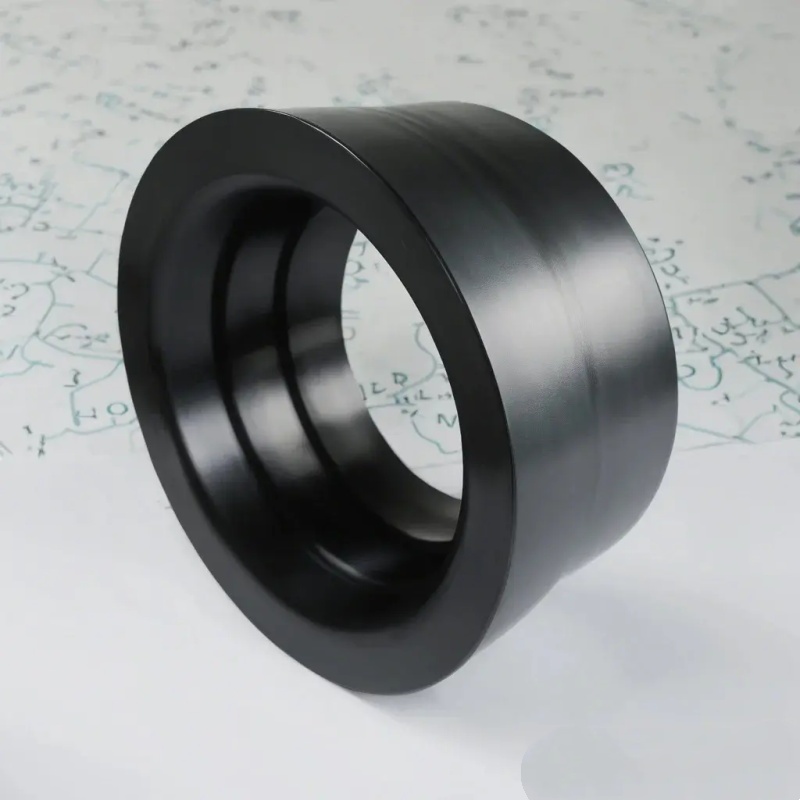 Guide to Silicon Nitride Ceramic Sleeve Dimensions and Tolerances
 How Does Silicon Nitride Sleeve Compare with Alumina or Silicon Carbide Sleeves in Pump Applications